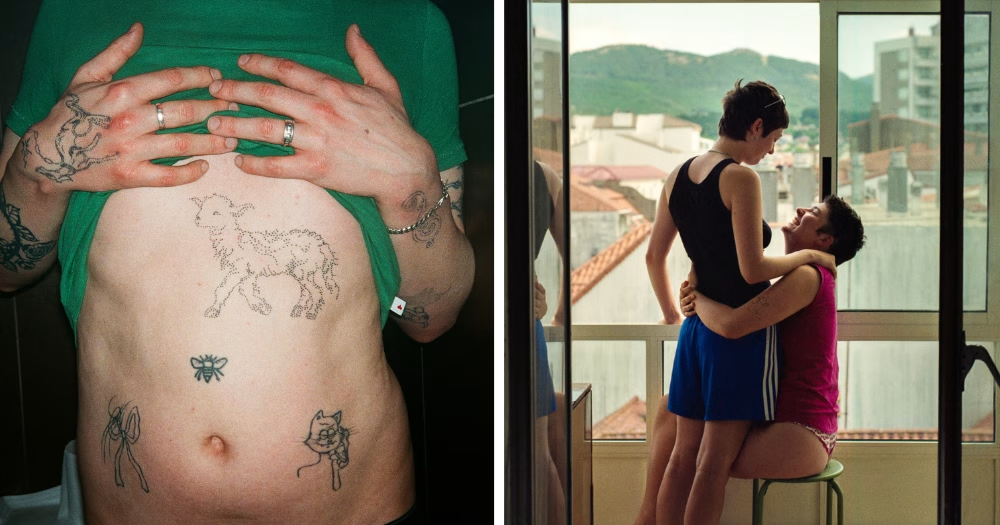
Photo Museum Ireland’s Talents 2026 exhibition opened at the end of October, showcasing the work of five emerging artists. Through their respective projects, the participants offer a compelling view of the perspectives and approaches shaping contemporary photography in the country today.
The five artists include Ronan Callahan, Inés Pesado Catrufo, Laura Dunwoody, James Mahon (working in collaboration with Antoinette Foley) and Ewan Power. Moving between personal narratives and wider social concerns, the works explore youth and community, masculinity and institutional memory, queer identity and belonging, grief and loss, and addiction and recovery.
Those explicitly dealing with themes of queerness are Inés and Ewan, who were both part of the Sigma Talents Artist Awards Programme. The 12-month, fully supported development residency is designed to provide emerging photographers with the critical resources, expertise and opportunities needed to establish a sustainable creative practice. The pair spoke to GCN about their work, and why it’s so important for an institution like the Photo Museum to platform queer experiences.
Ewan shoots only on analogue, with his work coming from a diaristic and autobiographical place. “My photos are my lived experience, and essentially taking photos is a way to understand what I’m doing,” he told GCN. “My images often tell me a lot more about what I’m going through when I see them versus how I’m actually feeling in the moment.”
A lot of his work is tied to “memory and people and connections and intimacy… And yeah, it’s super queer,” he added.
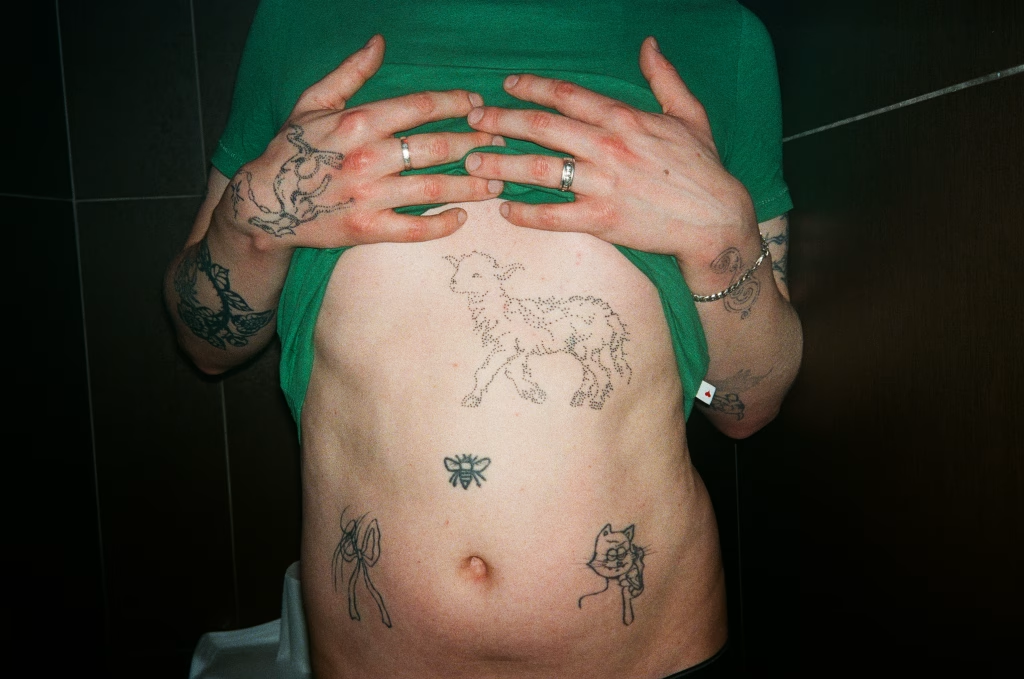
Ewan is particularly interested in “the real moments and the kind of off-kilter or candid side” of photography, which can be seen in the project he worked on during his residency.
“I lost my dad two years ago, and my work for my degree show in NCAD was all about processing that grief through photography,” Ewan explained. “Now, this project in the Photo Museum is a somewhat development of that, of looking at how photography is this kind of act of somewhat memorialisation by taking these moments and capturing them, and almost rendering them forever.”
He continued, “By looking at my relationship with grief and how I look at the world and view the work, I now see everything as this constant thing that we need to cherish and hold on to… I really wanted to talk about how being able to process grief and live my life in the way that I wanted to is all about living it in the queerest possible way.”
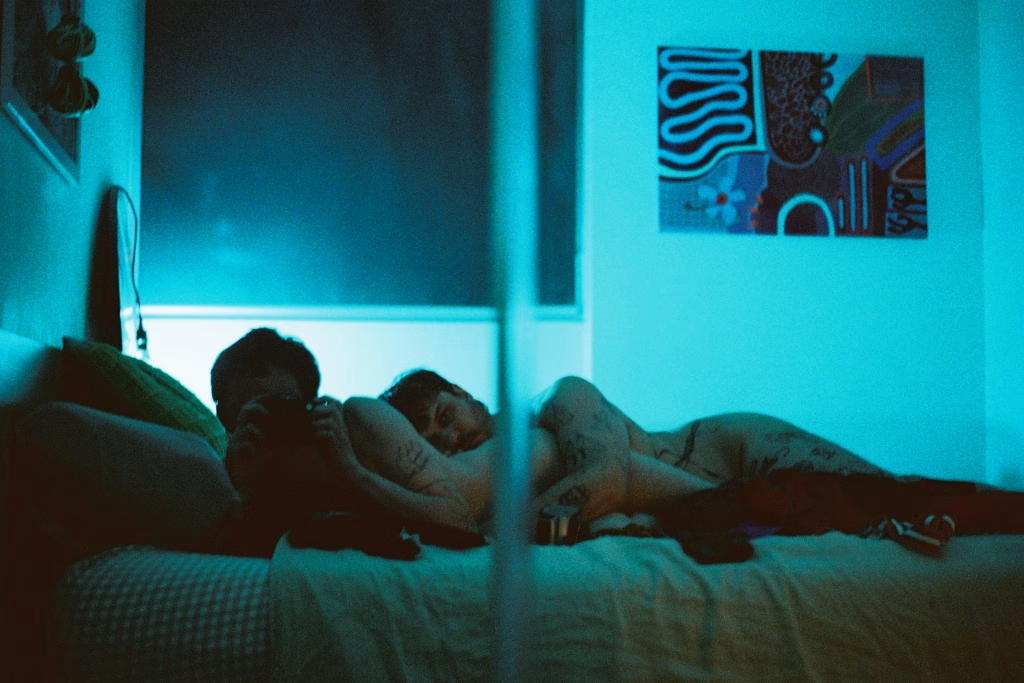
By capturing moments of joy amidst the sadness, “it’s really marking that as important and saying that these experiences that I’m having are emboldened by the loss that I’ve gone through. It’s a very bittersweet thing because there’s a lot of joy and there’s a lot of heartbreak in my work. It’s quite happy, but it’s also quite sad, and the two things can exist at once.
“Unfortunately, when they’re on either end, it’s kind of where the most beautiful work exists.”
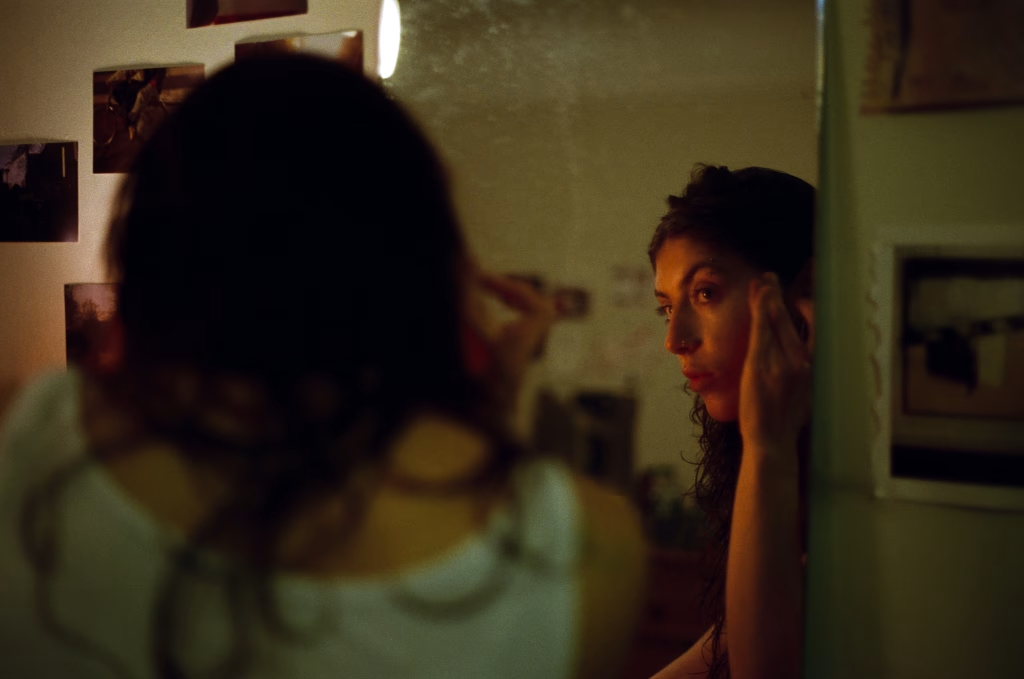
Fellow Photo Museum Ireland Talents 2026 artist Inés also shoots mostly on analogue, with some digital work. “I started basically doing documentary photography, and just documented my life and the things that were happening around me. Then, in the last few years, I started to think in a more conceptual way, trying to sometimes express a feeling or an emotion or understand something that I couldn’t fully figure out myself.
“I realised with this particular project, and even with others before, that it’s ultimately like a question that I’m not really quite ready to ask myself, and then through the project, I’m maybe trying to figure out the answer to that, or ask others.”
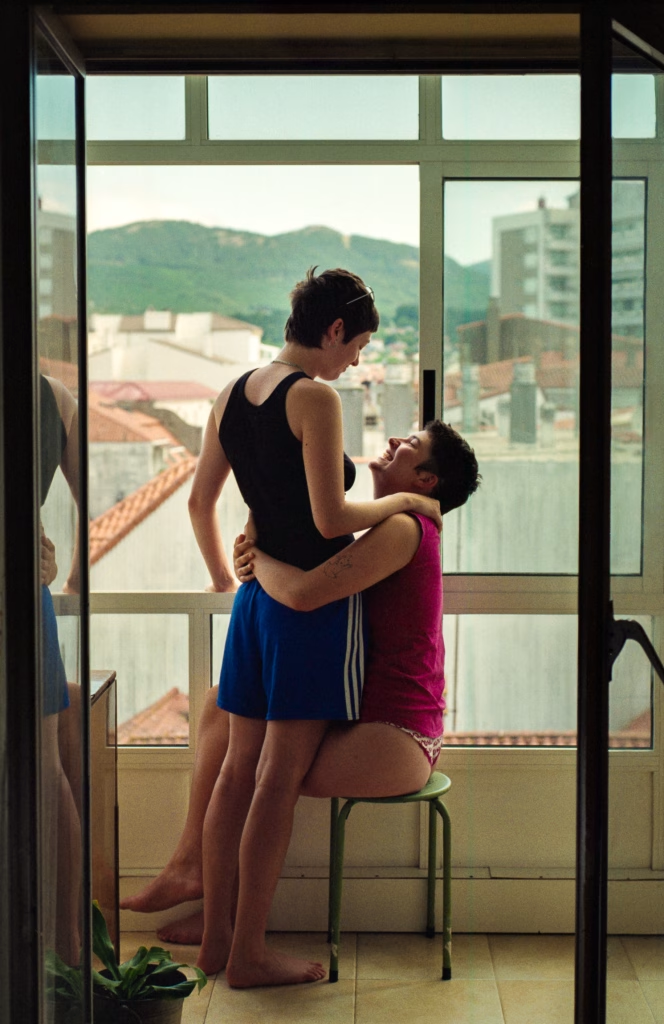
Queerness has always been woven into Inés’s practice, “but I guess the project here that I’ve been working on with the residency is the first time that queerness is at the centre of the project,” she explained.
“It talks a lot about identity and the ways in which queerness is expressed in different ways through attitude and through the way we dress or the way we take up space and exist in the world. It’s also ultimately about being part of a community and being around each other and caring for others and showing up.”
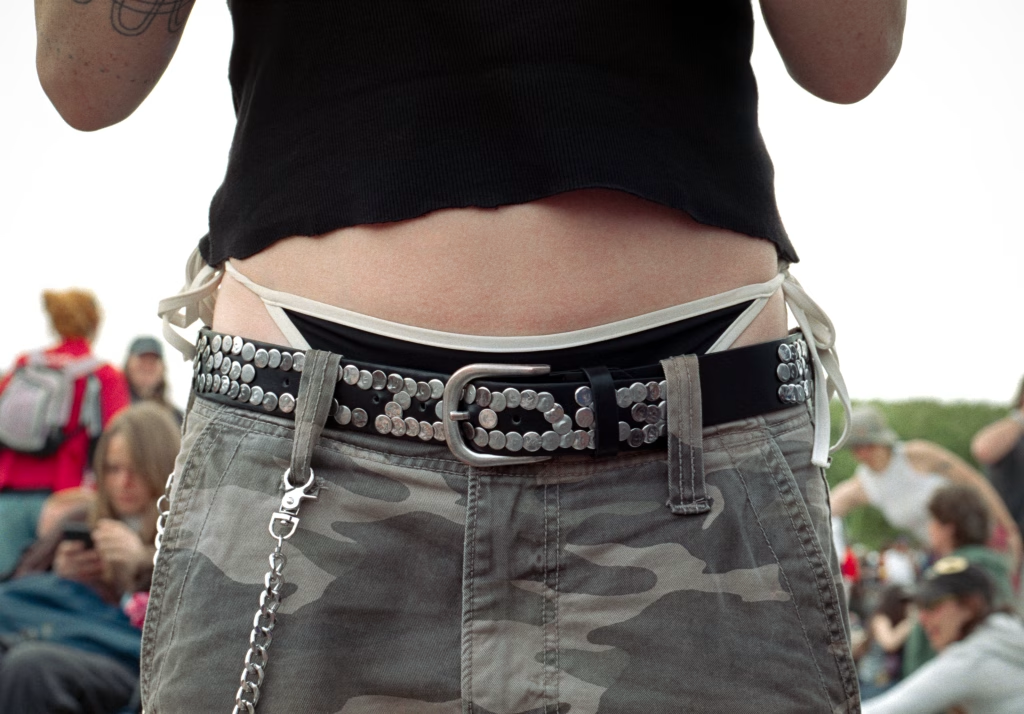
She added that for her, photography “is this tool of resistance that you can use for you and for your community, which is really beautiful and amazing.” She also said that it’s really important that her practice is collaborative with her subjects, “and that it’s not just me going in and taking what I want from a person or a situation and then leaving.”
Inés concluded, “It’s a huge responsibility that comes with photography, especially when you’re creating work that’s around representation and around a particular community of people. But I think it basically gives you the tools for telling your own story and the story of your people and your community. So it’s this tool of self-determination and self-narration.”
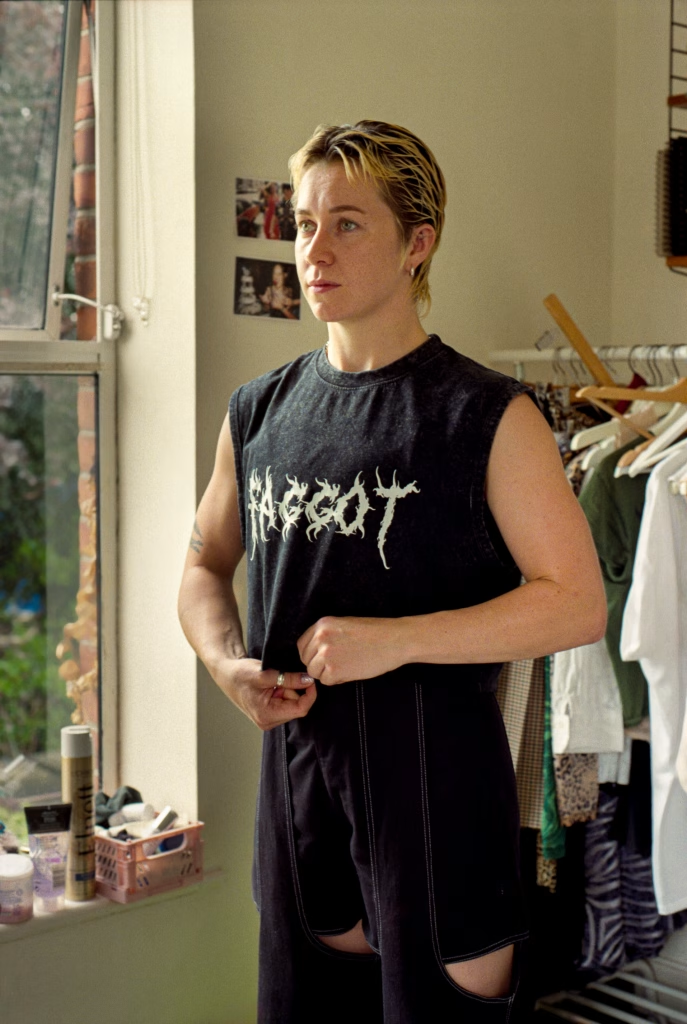
Regarding their residencies with Photo Museum Ireland, both artists spoke very highly of the experience. Ewan described it as being a “fantastic opportunity” to develop their practice and this body of work, “and their guidance has been second to none”.
Inés shared, “It’s really nice that they are not only choosing to support queer artists, but they’re also really interested in showing work that is about our queerness.” She added that it’s “really nice to see in an institution as big as the Photo Museum.”
Referencing Photo Museum Ireland’s Talents 2026 exhibition in particular, Ewan expressed, “More often than not, the work that gets shown in big galleries and museums is quite white, and it’s quite male, and it’s quite straight… I think it’s really great that the Photo Museum are like, ‘Yeah, we will showcase the greats and the people that are making that incredible work that have been doing it for years’, because it is good; nobody’s saying that it’s not good. But they’re also putting voices like ours up on a pedestal and being like, ‘Just because you haven’t heard of these people, just because you haven’t heard stories like this before, doesn’t make them lesser. It doesn’t make this work an other. It can exist in the same place. It can flow and be in conversation with all of these other artists that are existing on these walls of these museums and these institutions’.
“I think it’s such an important thing to have different voices be heard, and I think the Photo Museum is so fantastic at doing that.”
View this post on Instagram
To find out more about the Talents 2026 exhibition at Photo Museum Ireland, click here.
© 2026 GCN (Gay Community News). All rights reserved.
Support GCN
GCN is a free, vital resource for Ireland’s LGBTQ+ community since 1988.
GCN is a trading name of National LGBT Federation CLG, a registered charity - Charity Number: 20034580.
GCN relies on the generous support of the community and allies to sustain the crucial work that we do. Producing GCN is costly, and, in an industry which has been hugely impacted by rising costs, we need your support to help sustain and grow this vital resource.
Supporting GCN for as little as €1.99 per month will help us continue our work as Ireland’s free, independent LGBTQ+ media.