CW: Contains mentions of mental health issues and suicidal ideation.
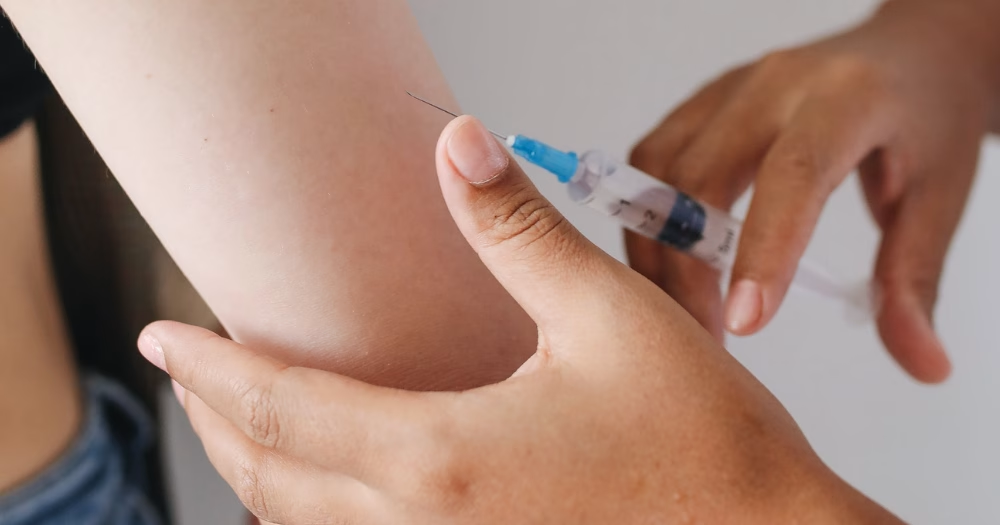
DIY HRT is a term used in the trans community to refer to accessing hormone replacement therapy through unofficial channels. Those who self-medicate monitor their own hormone levels and dosages to achieve gender-affirming changes.
Belong To’s 2024 Trans Healthcare in Ireland study found that 57 out of 179 respondents had accessed HRT through self-medication. In total, 4% of participants under 17 years and 47% of participants over 17 years had tried to access trans healthcare through DIY means.
A stigma surrounds the use of DIY HRT given the safety concerns it carries, but what draws so many to it? And what gap is it filling that is not being met by public or private routes of gender-affirming care?
That same Belong To study reported that 86% of respondents who were self-medicating cited the extremely long waiting lists to be seen by the National Gender Service (NGS). Being forced to wait four to 10 years to receive vital care leaves many people in a vulnerable state that can increase the risk of self-harm or suicidal ideation.
Speaking to GCN, Trans & Intersex Pride Dublin organiser Callum Kenny explained, “For many, like myself, it’s because of the insanely long waitlist. Had I not been able to DIY my hormones and had to wait 5/5½ years I simply would not be here.”
Some trans people choose to go down the route of accessing HRT privately instead, but this route can also be restrictive due to its cost. For instance, private online services like Gender Plus and Gender GP charge monthly subscription fees on top of the price of prescriptions and consultations.
In terms of the legality of DIY HRT, it remains a grey area in Ireland and is generally not openly discussed by organisational bodies like the HSE. The Irish Medical Times states, “While it’s not illegal to possess hormones for personal use in Ireland, distributing controlled substances in large quantities carries a prison sentence of ten years or more.”
Furthermore, GPs are advised by the NGS not to make recommendations for patients who are receiving hormone treatment from unregulated sources. Trans Harm Reduction explains, “In our experience, many GPs are fearful or uninformed that they have the power to provide these forms of gender-affirming care to trans patients.”
When it comes to how trans people find information about DIY HRT, community is a major aspect. Callum added, “The amount of guides and information online that is available is all community led. Then you consider the programmes being led by grassroots groups like Transgress the NGS with their free injection supply program.”
View this post on Instagram
As mentioned, though, the process of self-medicating contains many physical and psychological safety concerns. The first being that there is no monitoring or regulation of hormone levels by an outside clinical source, so trans people who DIY must do so themselves, increasing the chances of overdose or blood clots.
Callum described the pressure that this responsibility placed on him, stating: “It was honestly stressful! I found guides online like HRT Cafe and Trans Harm Reduction’s website that gave recommendations on dosages”. He continued, “I just used what the level was supposed to be at your peak (which I got from my blood tests) and worked with that to adjust.”
Trans Harm Reduction is an important resource. The Irish grassroots group is dedicated to supporting trans people through these struggles. They specifically take a harm reduction approach, which they explain as “facilitative rather than coercive and includes implementing practical methods to minimise the negative impacts associated with self-medication.” In practice, this looks like lab testing hormone sources to verify their safety and validity.
Ultimately, the use of DIY HRT in the trans community is nuanced and heavily tied to the inaccessibility of gender-affirming care.
© 2026 GCN (Gay Community News). All rights reserved.
Support GCN
GCN is a free, vital resource for Ireland’s LGBTQ+ community since 1988.
GCN is a trading name of National LGBT Federation CLG, a registered charity - Charity Number: 20034580.
GCN relies on the generous support of the community and allies to sustain the crucial work that we do. Producing GCN is costly, and, in an industry which has been hugely impacted by rising costs, we need your support to help sustain and grow this vital resource.
Supporting GCN for as little as €1.99 per month will help us continue our work as Ireland’s free, independent LGBTQ+ media.