Content warning: Contains mention of sexual assault, rape and murder
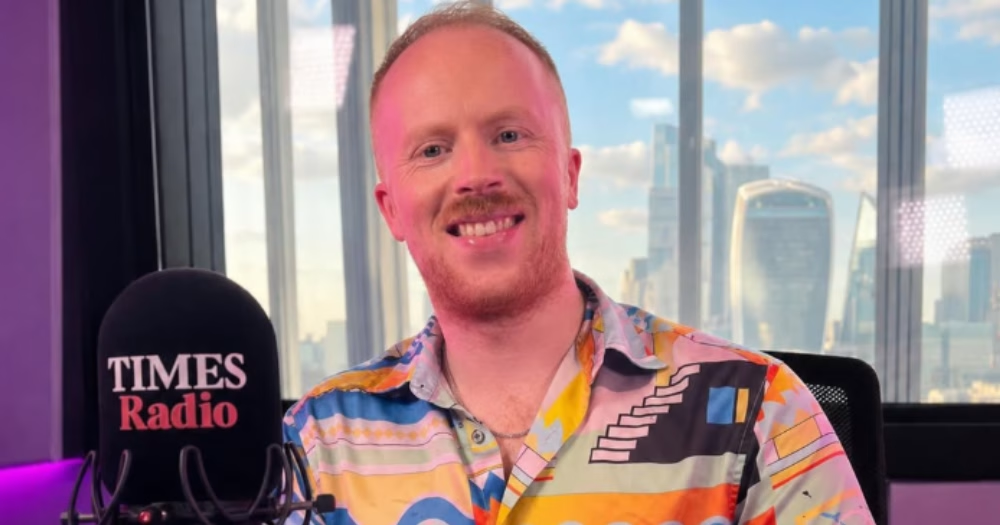
Irish journalist Rory Boyle is investigating chemsex in the UK’s LGBTQ+ community in a new six-part podcast. Titled Catch Us When We Fall, the series examines the practice itself, as well as policing, healthcare, sexual health, technology, trauma, loneliness and more.
Across the episodes, Boyle chats to a range of different people to gain insight into the realities of chemsex in the UK. He speaks to a Metropolitan Police officer about working with LGBTQ+ communities; a former Grindr employee and whistleblower about their experience inside one of the platforms offering a route into the chemsex scene; doctors and sexual health professionals working with those affected by the practice; and London Ambulance Service personnel in light of the fact that an ambulance is called every day to a chemsex-related emergency in the English capital.
The podcast also examines the probation and criminal justice systems, and compares approaches to support in the UK and US. Policing is particularly scrutinised, as Boyle asks what has changed around chemsex since the death of 19-year-old student Ed Cornes in 2021. Ed’s family spent years questioning the investigation, and in June 2026, the Metropolitan Police apologised to them and announced a specialist review of the process after an internal examination identified 27 failings.
The podcast also references the case of Stephen Port, who received a life sentence in November 2016 for murdering four young men he met on Grindr and raping many more. In light of these examples, Boyle asks: Have the lessons actually been learned?
These issues are not confined to the UK; in Ireland, new figures show that 209 people attending Sexual Assault Treatment Units in 2025 expressed concern that their assault was drug or alcohol facilitated. Furthermore, Dublin Rape Crisis Centre recently warned that falling reports to Gardaí may indicate survivors becoming increasingly reluctant to come forward.
View this post on Instagram
The host also brings his own experiences to the podcast, as a survivor of sexual assault in a chemsex setting. He says this was one of the reasons he wanted to look beyond drugs and investigate the systems in place.
“When I started making this series, I thought I was making a podcast about drugs and sex. But the more people I spoke to, the more I realised that chemsex is where a whole series of bigger problems collide,” he said.
“I wanted to know what happens when someone needs help, whether that’s from the police, an ambulance, a doctor, a sexual-health service or their own community, and whether we’re actually catching people before they fall too far.”
Catch Us When We Fall is a podcast from QueerAF, hosted by Irish journalist Rory Boyle. Listen here.
© 2026 GCN (Gay Community News). All rights reserved.
Support GCN
GCN is a free, vital resource for Ireland’s LGBTQ+ community since 1988.
GCN is a trading name of National LGBT Federation CLG, a registered charity - Charity Number: 20034580.
GCN relies on the generous support of the community and allies to sustain the crucial work that we do. Producing GCN is costly, and, in an industry which has been hugely impacted by rising costs, we need your support to help sustain and grow this vital resource.
Supporting GCN for as little as €1.99 per month will help us continue our work as Ireland’s free, independent LGBTQ+ media.