John (Jack) Saul, also known as ‘Dublin Jack’ was a sex worker in the 19th century. Though little was known of his story until recently, some scholars and writers have worked to uncover the history of this figure.
In 2016, Scottish playwright and novelist Glenn Chandler published a nonfiction book about Jack Saul, entitled The Sins of Jack Saul, having researched the era when writing his 2011 musical Cleveland Street. Chandler’s book charts Jack Saul’s life, from records available at the time, diving into some of the scandals Saul found himself implicated in. The story of Jack garnered further attention in 2025, with an opera called Dublin Jack performed as part of the Dublin Theatre Festival, and an exhibition in Outhouse as part of the Dublin Festival of History.
With the recent attention in mind, what is the true story of Jack Saul? According to Chandler’s book and historical records, Jack was born in 1857 to a working class Catholic family. Jack’s name first appears in relation to the Dublin Castle scandal of 1884, whereby a number of brothel keepers, Irish officials, and British soldiers were tried for sodomy after allegations of homosexual activity.
Though Saul had already emigrated at the time of the scandal, his previous involvement with some of the accused brought his name to attention during the trials. Jack eventually moved to London in 1879, working as a ‘rent boy’, where he earned the nickname ‘Dublin Jack’.
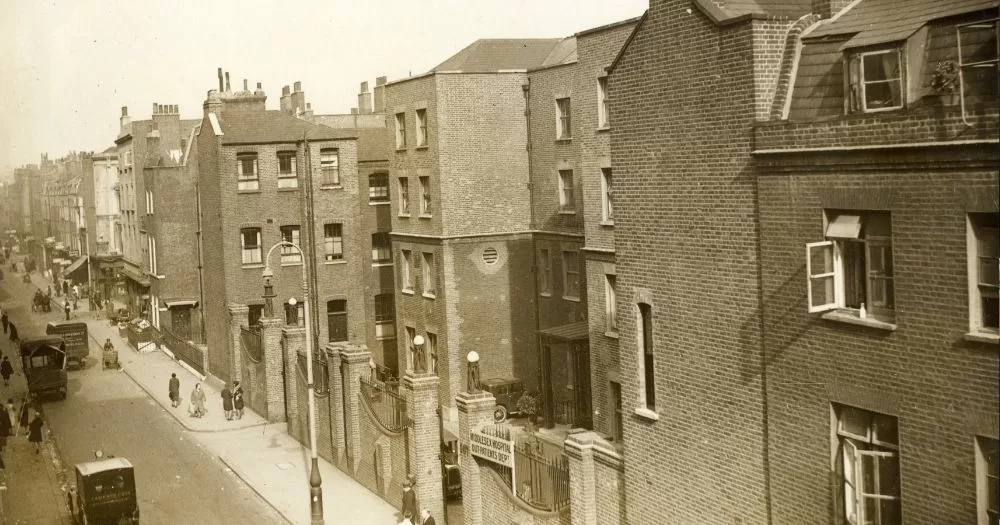
Through his time as a sex worker in London, he became relevant in another scandal, the Cleveland Street scandal. This 1889 scandal investigated a male brothel, with several men prosecuted for “gross indecency”, the same conviction Oscar Wilde was charged with in 1895.
However, given the high social standing of many of those accused of frequenting Cleveland Street, many were not prosecuted. High profile figures such as Lord Arthur Somerset, the Earl of Euston, and even rumoured British royalty were among them, making this a significant scandal in queer Victorian history.
It has been suggested that the government sought to protect members of its own establishment, covering up the extent of the scandal in the media. Jack Saul himself eventually moved back to Dublin, and is buried in Glasnevin cemetery.
Through investigating this queer history, we can explore the realities of queer life and culture in the Victorian era, bringing to the surface what had previously been a footnote.
© 2026 GCN (Gay Community News). All rights reserved.
Support GCN
GCN is a free, vital resource for Ireland’s LGBTQ+ community since 1988.
GCN is a trading name of National LGBT Federation CLG, a registered charity - Charity Number: 20034580.
GCN relies on the generous support of the community and allies to sustain the crucial work that we do. Producing GCN is costly, and, in an industry which has been hugely impacted by rising costs, we need your support to help sustain and grow this vital resource.
Supporting GCN for as little as €1.99 per month will help us continue our work as Ireland’s free, independent LGBTQ+ media.