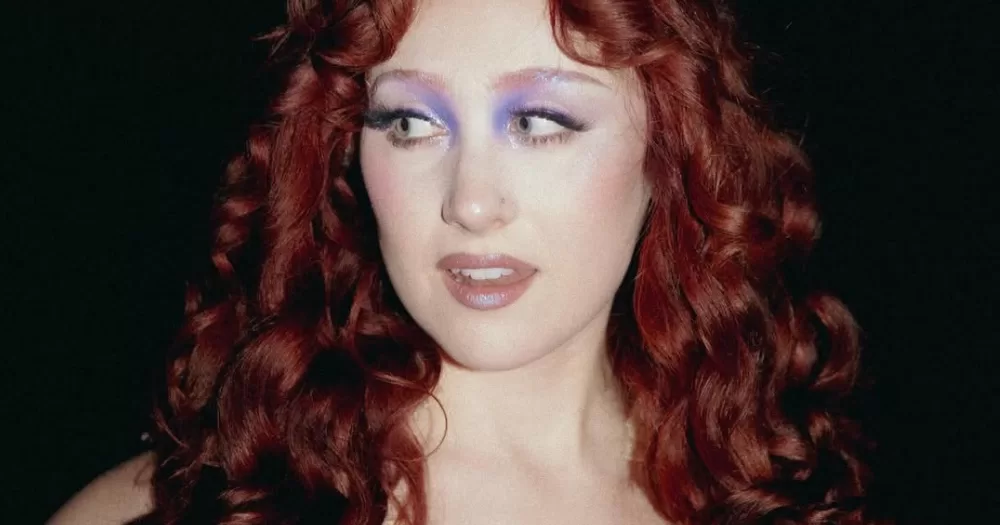
The so-called “breakfast drama” surrounding Chappell Roan is, on the surface, almost absurd. A young girl recognises a celebrity in a hotel dining room, a security guard intervenes, feelings are hurt, and suddenly a global moral discourse erupts.
Yet beneath this seemingly trivial exchange lies something far more revealing about how we police women and queer persons’ behaviour, especially when they dare to set boundaries.
Let’s be clear: Chappell Roan is entitled to privacy, full stop. Breakfast or at any other point in the day. That she felt the need to reiterate this, bluntly, should not be controversial.
And yet, it was.
The escalation of the story says less about Roan and more about us. The outrage hinges not on what definitively happened, indeed, Roan herself has apologised and clarified that she did not instruct security to approach the child, but on a perception: that she might not be “nice”. That she might be “difficult”. These are loaded terms, disproportionately applied to women who refuse to perform constant warmth and accessibility.
Crucially, Roan addressed the incident publicly. She clarified that she did not instruct security to intervene and expressed regret that the child felt frightened or upset. In doing so, she offered a measured apology, one that acknowledged impact without accepting the more exaggerated claims about her intent or character. By any reasonable standard, that should have settled the matter.
But, it didn’t.
Celebrities are often expected to be perpetually accommodating, grateful, and gentle, no matter the context. A woman who enforces boundaries is cold and rude.
What is particularly striking is how quickly this narrative spiralled into moral judgment. The suggestion that Roan’s behaviour reflects a deeper character flaw is telling. We are far more comfortable scrutinising a woman’s tone at breakfast than confronting the continued success of men whose actions extend far beyond rudeness into genuinely harmful territory. The disparity is not subtle; it is systemic.
As a result of the breakfast incident Mayor of Rio De Janeiro, Eduardo Cavaliere, has claimed that he would ban Chappell Roan from performing in the city again. What’s also notable is that 100% of the people on the Epstein list have not been publicly banned from the city of Rio de Janeiro. The contrast is stark: a minor, ambiguous incident prompting swift backlash, while far more egregious behaviour elsewhere often escapes meaningful consequence.
None of this is to say that the child’s experience should be dismissed. If she was frightened or upset, that is regrettable, and Roan’s apology acknowledges as much. But responsibility must be proportionate. A misunderstanding involving security does not warrant a character assassination.
The idea that celebrities owe strangers their time, energy, and emotional labour at any given moment is outdated. It is also unsustainable. Boundaries are not cruel. They are a basic requirement for well-being, especially in an age of relentless visibility.
So no, this should not have become an issue. But now that it has, perhaps it serves a purpose. If Chappell Roan continues to be “difficult” to insist on space, to reject the demand for endless politeness, then she is not failing her audience. She is, in fact, setting a precedent.
And it is long overdue.
© 2026 GCN (Gay Community News). All rights reserved.
Support GCN
GCN is a free, vital resource for Ireland’s LGBTQ+ community since 1988.
GCN is a trading name of National LGBT Federation CLG, a registered charity - Charity Number: 20034580.
GCN relies on the generous support of the community and allies to sustain the crucial work that we do. Producing GCN is costly, and, in an industry which has been hugely impacted by rising costs, we need your support to help sustain and grow this vital resource.
Supporting GCN for as little as €1.99 per month will help us continue our work as Ireland’s free, independent LGBTQ+ media.