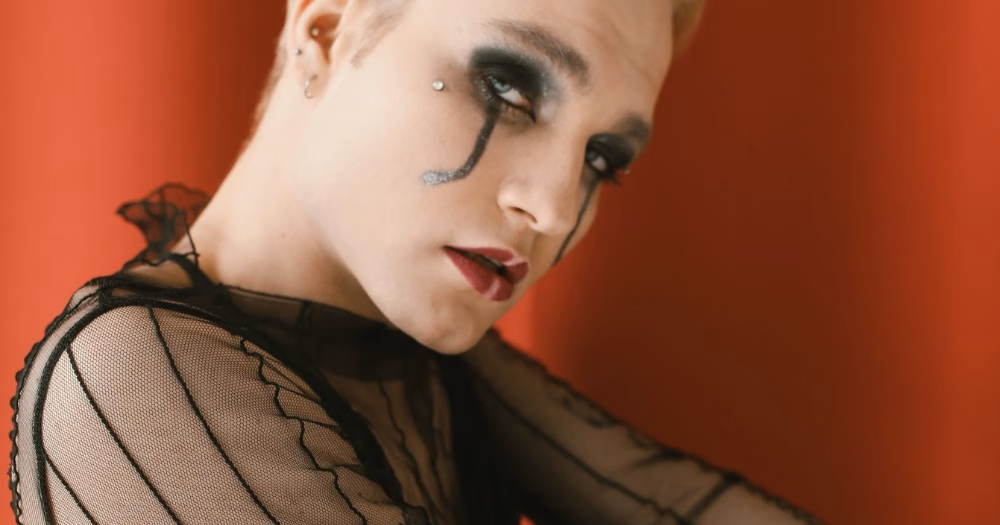
October 17 to 24 marks Genderfluid Visibility Week, a time to highlight the experiences of genderfluid people. The term refers to those who do not have a fixed gender identity, and it is generally considered to be under the trans umbrella. For instance, a genderfluid person may fluctuate between identifying as a man, a woman, non-binary or another gender identity. They may also use multiple pronouns to refer to themselves.
Harvard Health Publishing states: “Not everyone who experiences changes in their gender expression or identity identifies as gender-fluid. Nor does everyone desire gender-affirming medical treatment to change their body to better align with their gender identity.”
Although the label is sometimes perceived be a new term that came about with the internet, its origins go back far. In Kate Bornstein’s 1994 book, Gender Outlaw: On Men, Women and the Rest of Us, they explain the label as the “ability to freely and knowingly become one of many of a limitless number of genders, for any length of time, at any rate of change. Gender fluidity recognizes no borders or rules of gender.” Of course, ideas of genderfluidity have also existed throughout history long before the term was coined.
The genderfluid flag was created in 2012 by the Tumblr user JJ Poole, designed with five horizontal stripes of pink, white, purple, black and blue. According to Diva, the pink represents femininity or female identity, the white represents gender neutrality, the purple represents mixed gender identity, the black represents other less recognised gender identities and the blue represents masculinity and male identity.
A well-known example of a genderfluid celebrity is Miley Cyrus, who came out in 2015. As reported by NME, they shared, “I’m just equal. I’m just even. It has nothing to do with any parts of me or how I dress or how I look. It’s literally just how I feel. People try to make everyone something. You can just be whatever you want to be.”
Genderfluid Visibility Week is significant given the severe lack of representation and education about the community. Genderfluid people can often face prejudice from both outside and inside the LGBTQ+ community, with common misconceptions being that they are just confused or going through a phase.
Even in the case of people who identified as genderfluid for a certain period of time, the label is no less valid. Speaking to GCN, Madeline Jane Quill shared, “I’m more trans than genderfluid these days, but genderfluidity was and still is very central to my coming out”.
They continued, “Identifying as genderfluid gave me more freedom to express my feminine side through pronouns and different names, while still being able to rationalise my ‘male’ half existing when I was not masking/not comfortable being out.”
Ultimately, it is clear that more needs to be done to improve public understanding about what it means to identify as genderfluid, and the nuances that exist within that experience.
© 2026 GCN (Gay Community News). All rights reserved.
Support GCN
GCN is a free, vital resource for Ireland’s LGBTQ+ community since 1988.
GCN is a trading name of National LGBT Federation CLG, a registered charity - Charity Number: 20034580.
GCN relies on the generous support of the community and allies to sustain the crucial work that we do. Producing GCN is costly, and, in an industry which has been hugely impacted by rising costs, we need your support to help sustain and grow this vital resource.
Supporting GCN for as little as €1.99 per month will help us continue our work as Ireland’s free, independent LGBTQ+ media.