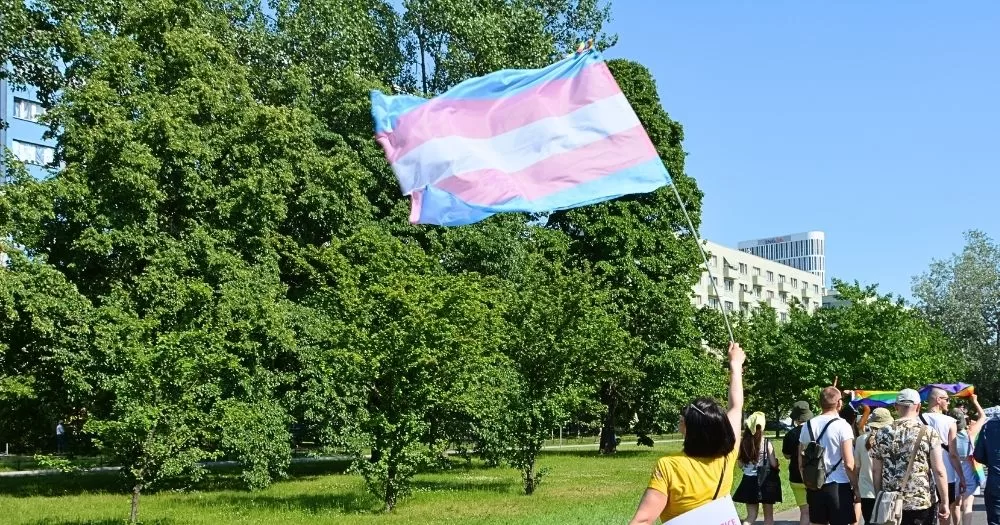

In 2025, 22-year old Dewi Emberton launched the organisation Rural Trans Alliance, inspired by his lived experiences in rural Wales. The Rural Trans Alliance aims to tackle the disproportionately high barriers faced by trans individuals in rural communities through research, education, advocacy, and direct consultation. As we see consistent threats to trans rights in the UK, organisations like these are vital lifelines for the community.
Founder Dewi Emberton affirms that “rural life is further enriched for all when transgender people are fully included in every aspect of it”. In conversation with GCN, the Rural Trans Alliance team talks about the mission behind the organisation, why it is so vital, and also offers advice on how a similar structure could be set up in Ireland to support our rural LGBTQ+ communities.
What is Rural Trans Alliance and what does the organisation do?
The Rural Trans Alliance is a national organisation dedicated to improving the lives of transgender and gender-diverse individuals in the United Kingdom.
We produce practical resources on key areas such as healthcare, employment, and everyday wellbeing, ensuring individuals have clear and accessible information to navigate systems that frequently overlook rural realities. Alongside this, we undertake research to generate robust data and insight into the lived experiences of trans people in rural regions, identifying barriers such as long healthcare waiting lists, extensive travel requirements to access trans friendly services, and difficulties securing safe and inclusive employment.
Once this evidence base is established, we aim to work closely with local councils, Members of Parliament, Members of the Senedd, and other decision makers to ensure they are fully aware of the realities and difficulties faced by trans people living in rural communities. By bringing lived experience and evidence directly to those shaping policy and public services, we seek to turn awareness into practical change at both local and national levels.
What is the mission of the group and why was it created?
At its core, the mission of the Rural Trans Alliance is to ensure that trans people living in rural communities are able to live their lives at their own pace, in their own way, and with dignity, safety, and fulfilment. We care deeply about practical factors such as access to gender-affirming healthcare, inclusive education and employment, and opportunities for community and connection, but our broader aim is simple: that no one’s ability to live authentically should be limited by where they live.
The Rural Trans Alliance was founded by our director, Dewi Emberton, in response to the consistent absence of rural trans experiences from national conversations on trans equality and rural policy. Having grown up in rural Wales, Dewi witnessed firsthand how geographical isolation, limited services, and lack of representation compound the challenges faced by trans people outside urban centres. This gap in recognition and support made clear the need for a dedicated organisation focused specifically on rural trans lives.
By centring rural trans voices, building evidence, and developing practical resources, the Alliance exists to ensure that no trans person is forced to choose between living authentically and remaining in the place they call home.
View this post on Instagram
Why is it important to offer support to trans people in rural areas?
It is vital to offer dedicated support to trans people in rural areas because their experiences and needs are often overlooked in both policy discussions on trans equality and broader discourse on rural life in the United Kingdom. Rural trans people frequently face a double invisibility. They are marginalised within mainstream trans advocacy, which tends to focus on urban settings, and overlooked within rural policy-making, which rarely considers gender diversity. As a result, rural trans voices are excluded from discussions that directly affect their lives.
This exclusion has tangible consequences. Many rural trans people experience social isolation, limited access to gender-affirming healthcare, a lack of local peer support, and heightened barriers to safety and visibility. Without targeted support, these challenges remain unaddressed, reinforcing inequality between rural and urban trans communities.
Offering dedicated support is therefore not simply about providing services. It is about ensuring rural trans people are seen, heard, and included in shaping the policies and communities that affect them. We feel strongly that no one should have to leave their home, community, or way of life in order to access dignity, healthcare, or belonging.
How can people get involved with Rural Trans Alliance?
We highly welcome involvement at every level. The Rural Trans Alliance is built on collaboration, and we are always keen to hear from individuals, communities, and organisations who want to support rural trans people and help shape our work.
People can get involved by following and sharing our resources, volunteering skills in areas such as research, writing, design, outreach, or community support, and helping us reach rural trans people who may not yet know we exist. We warmly welcome contact from professionals, local authorities, educators, healthcare workers, and community groups who wish to collaborate or develop joint projects.
For those able to offer financial support, donations and funding partnerships allow us to expand our research, resources, and programmes. But just as importantly, we value people who bring ideas, energy, and lived experience to the table.
Above all, involvement begins with connection. We want the Rural Trans Alliance to be a shared space shaped by the people it exists to serve.
View this post on Instagram
What advice would you give to people who wish to do something similar in Ireland?
Our director’s main advice would be to start by listening closely to the experiences of trans people living in rural and remote communities. Every region has its own cultural, political, and healthcare landscape, so grounding any initiative in local lived experience is essential. Taking time to understand where the real gaps are helps ensure that work is shaped by community need rather than assumption.
It is also important to build strong partnerships early on. Connecting with existing LGBTQ+ organisations, rural community groups, healthcare professionals, and local authorities can help avoid duplication and create a stronger, more sustainable foundation. Collaboration often opens doors that individual efforts cannot.
Finally, be patient and pace yourself. Building a new organisation or network takes time, energy, and persistence. Celebrate small wins, stay transparent, and keep the community at the centre of every decision. Meaningful change rarely happens overnight, but consistent, grounded work can have a real lasting impact.
Above all, remember that rural trans people deserve the same visibility, dignity, and support as those in urban areas. Creating space for those voices is both challenging and deeply worthwhile work.
For more information, visit Rural Trans Alliance’s website.
© 2026 GCN (Gay Community News). All rights reserved.
Support GCN
GCN is a free, vital resource for Ireland’s LGBTQ+ community since 1988.
GCN is a trading name of National LGBT Federation CLG, a registered charity - Charity Number: 20034580.
GCN relies on the generous support of the community and allies to sustain the crucial work that we do. Producing GCN is costly, and, in an industry which has been hugely impacted by rising costs, we need your support to help sustain and grow this vital resource.
Supporting GCN for as little as €1.99 per month will help us continue our work as Ireland’s free, independent LGBTQ+ media.