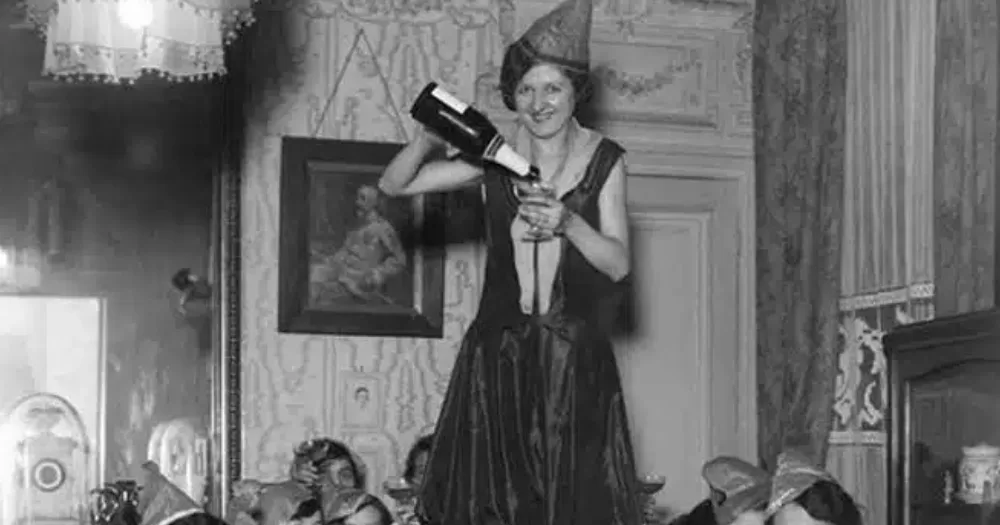
The 12th and final day of Christmas, January 6, has long held special significance in Ireland. Known as Nollaig na mBan (Women’s Christmas or Little Christmas), it was traditionally a day when women were rewarded for their labour throughout the festive season. Household roles were symbolically reversed: men took over domestic duties, while women rested, visited friends and enjoyed tea and the last of the Christmas cake.
It was also considered unlucky to take down Christmas decorations before the twelfth day, a belief that remains widely observed. Yet by the 20th century, many of these customs had faded as Irish society changed. In recent years, however, Ireland’s broader cultural revival has breathed new life into Nollaig na mBan, transforming it into a meaningful celebration of resilience, community and inclusivity.
Today, people across the country mark the occasion in diverse ways, from sea swims to simply gathering with friends. The day has also become a focal point for organised events celebrating women’s wellbeing and achievements. Last Saturday, Festival Mná, a women’s wellness event, took place in Westmeath. Meanwhile, annual Nollaig na mBan events across Dublin’s North Inner City use music, art exhibitions, workshops and panel discussions to highlight the vital and often under-recognised role women play in society.
At its heart, Nollaig na mBan offers a pause for reflection and appreciation. As activist and Trans and Intersex Pride organiser Jenny Maguire explains: “I love the moment of recognition that Nollaig na mBan offers us. When you wish someone a happy one, you aren’t just celebrating a day, but recognising the labour so many of us still are expected to take on. Whether it’s emotional or domestic, at home or in the workplace, Nollaig na mBan offers a moment of solidarity and I hope it gets bigger.”
Reflecting on the traditional roots of the holiday, Equality For Children’s Ranae Von Meding, notes: “It’s a tradition where the roles are reversed in a traditional home and I guess our home is far from traditional! There’s not much to reverse in our home, childcare, housework, etc, is already very evenly divided between the two women of the house.”
Ranae goes on to explain, “Nowadays it’s more like a celebration of women, and that’s definitely something we like to do, recognition of the immense work that goes into raising kids, having a career and being a good partner in today’s fast-paced society.”
Nollaig na mBan also provides an opportunity to honour historical Irish women whose contributions shaped social justice. Figures such as Eva Gore-Booth, the lesbian suffragette and poet and her partner Esther Roper, worked tirelessly for women’s suffrage, labour rights and anti-trafficking campaigns. Annie Besant, another formidable activist, fought for workers’ rights, gender equality and education, often at great personal cost.
By celebrating Nollaig na mBan today, Ireland honours both its roots and a modern commitment to equality, empowerment and recognition.
© 2026 GCN (Gay Community News). All rights reserved.
Support GCN
GCN is a free, vital resource for Ireland’s LGBTQ+ community since 1988.
GCN is a trading name of National LGBT Federation CLG, a registered charity - Charity Number: 20034580.
GCN relies on the generous support of the community and allies to sustain the crucial work that we do. Producing GCN is costly, and, in an industry which has been hugely impacted by rising costs, we need your support to help sustain and grow this vital resource.
Supporting GCN for as little as €1.99 per month will help us continue our work as Ireland’s free, independent LGBTQ+ media.