Police in Uganda have detained two women accused of engaging in same-sex relations in one of the first known arrests linked to the country’s Anti-Homosexuality Act enacted in 2023.
The women were arrested on February 18 in the north-western city of Arua after neighbours reported that they had been seen kissing. According to police spokesperson Josephine Angucia, officers arrived at the scene and found the pair “red-handed on the cement floor”. They were later released on police bond and have not yet been formally charged, as investigations continue.
The case has drawn renewed attention to Uganda’s Anti-Homosexuality Act, which was signed into law in May 2023. The act reinforces the criminalisation of same-sex relations and introduces significantly harsher penalties for certain offences. Under the law, “aggravated homosexuality” is punishable by death. This category includes same-sex acts involving minors, incest, or sexual activity by a person living with HIV.
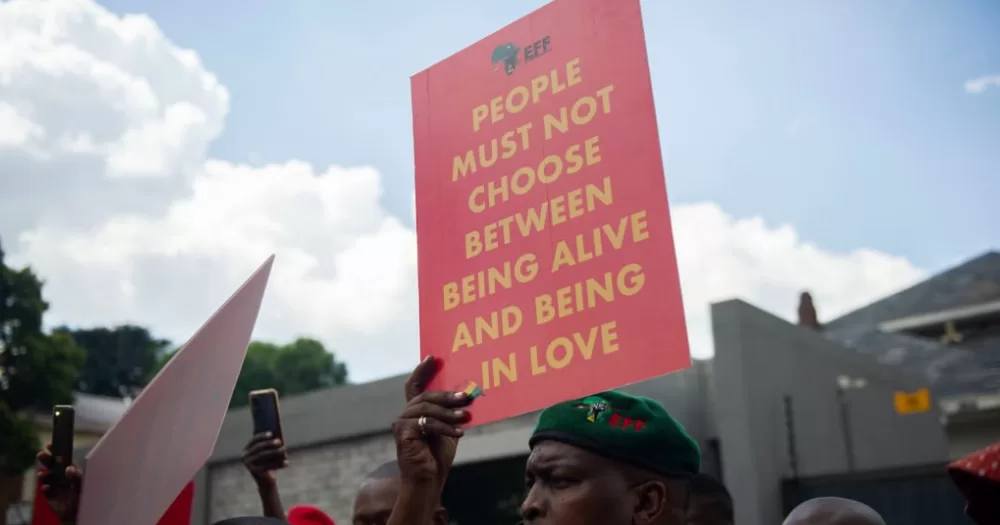
The law has been strongly condemned by human rights groups and governments abroad. Frank Mugisha, a prominent LGBTQ+ leader in Uganda, criticised the arrests in comments posted on X. “This underscores the grim reality we are facing on the ground under the Anti-Homosexuality Act,” he said. “We have seen a surge in a targeted crackdown that goes beyond just arrests; it has fueled a dangerous cycle of blackmail and extortion.”
This underscores the grim reality we are facing on the ground under the Anti-Homosexuality Act. We have seen a surge in a targeted crackdown that goes beyond just arrests; it has fueled a dangerous cycle of blackmail and extortion. Even criminals are now using this law as a… https://t.co/hHpA34Bs9E
— Frank Mugisha (@frankmugisha) February 23, 2026
He added: “Even criminals are now using this law as a weapon to prey on the LGBTQ+ community, knowing their victims are too terrified to seek protection.” Same-sex activity in Uganda is also prohibited under a separate colonial-era law that criminalises sexual relations deemed to be “against the order of nature”.
Activists say the introduction of the 2023 Act has intensified fear within the LGBTQ+ community, with some individuals reporting threats, harassment and exploitation. Critics argue that the law has created conditions in which people can be blackmailed with the threat of exposure or arrest.
Earlier this month, a Ugandan court dropped a case against the first man to be charged with aggravated homosexuality after ruling that he was of unsound mind due to prolonged detention on remand. Homosexuality remains criminalised in several countries in the region. Senegal is among those currently considering tougher penalties for same-sex activity.
For now, the two women in Arua await a decision on whether they will face formal charges, as debate over the law continues both within Uganda and internationally.
© 2026 GCN (Gay Community News). All rights reserved.
Support GCN
GCN is a free, vital resource for Ireland’s LGBTQ+ community since 1988.
GCN is a trading name of National LGBT Federation CLG, a registered charity - Charity Number: 20034580.
GCN relies on the generous support of the community and allies to sustain the crucial work that we do. Producing GCN is costly, and, in an industry which has been hugely impacted by rising costs, we need your support to help sustain and grow this vital resource.
Supporting GCN for as little as €1.99 per month will help us continue our work as Ireland’s free, independent LGBTQ+ media.