This article is part of GCN’s new Amach le Bród (Out with Pride) series, to combat anti-LGBTQ+ misinformation and platform underrepresented voices. The project was funded by the Coimisiún na Meán News Reporting Scheme.
Regular participation in sports offers an essential sense of community belonging for LGBTQ+ athletes, as well as massive benefits to physical, mental, and emotional well-being. In addition to the obvious advantages of strength-building and cardiovascular health, being part of a sporting community develops self-esteem and builds teamwork, resilience, and community connections. Sports are beneficial at every stage of life, but unfortunately, women and LGBTQ+ people are often pushed to the sidelines, literally and figuratively, due to homophobia, transphobia, and discrimination in sport.
This shift is particularly prevalent during teen years. While more girls (94%) than boys (89%) reported participating in school sports in primary school, research from Sport Ireland indicates that only 65% of girls continue to take physical exercise at a post-primary level, compared to 79% of boys.
This trend is even more significant for genderqueer and LGBTQ+ students, and further data from Stonewall UK shows that 27% of LGBTQ+ adults feel unwelcome in community sport groups.
Even when LGBTQ+ women+ are fortunate enough to overcome these challenges and excel in sports, disproportionate allocations of support for men’s sports allow more men to work professionally as athletes while women’s teams remain consistently under-funded.
The climate is significantly worse for trans athletes. Despite a 2023 study commissioned by the Canadian Centre for Ethics in Sport, which found that trans athletes have no inherent scientific advantage over cisgender competitors, sporting bodies across Europe and the US are increasingly hostile towards trans athletes, with many professional sporting organisations banning them from elite sports in recent years. Moreover, the US Supreme Court recently banned transgender youth from participating in sports teams altogether.
Thankfully, in Ireland, there are many paths for people to reintegrate into sporting communities later in life. From free, inclusive, active communities like parkHIIT and parkrun to LGBTQ+ specific organisations like Sporting Pride and community teams like Shamrock Síoga basketball, The Phoenix Tigers LGBTQ+ Football Team, and Emerald Warriors R.F.C, there are growing opportunities for LGBTQ+ women, trans and intersex athletes in Ireland to compete at community levels.
Moreover, last year, TENI launched a new transgender and intersex sports inclusion guideline, an important resource that targets misinformation around trans and intersex inclusion in sport.
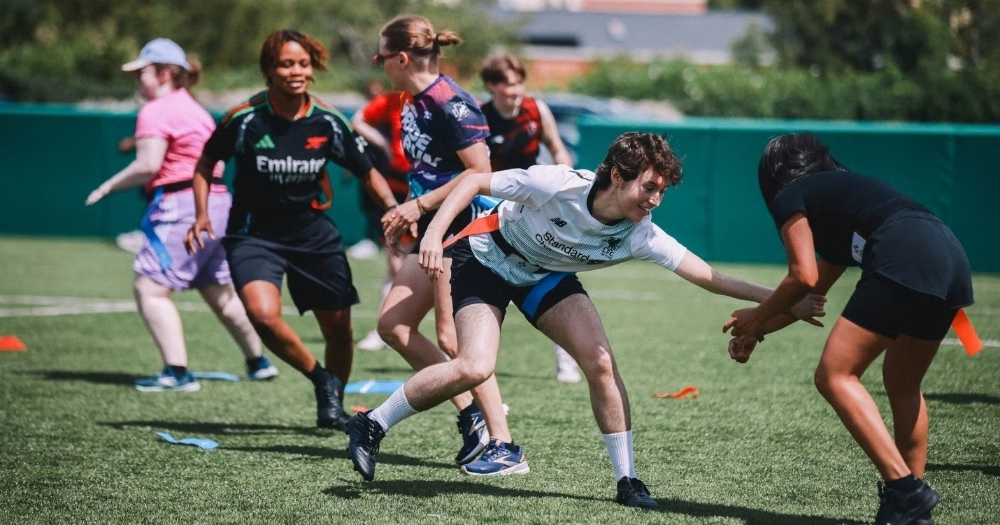
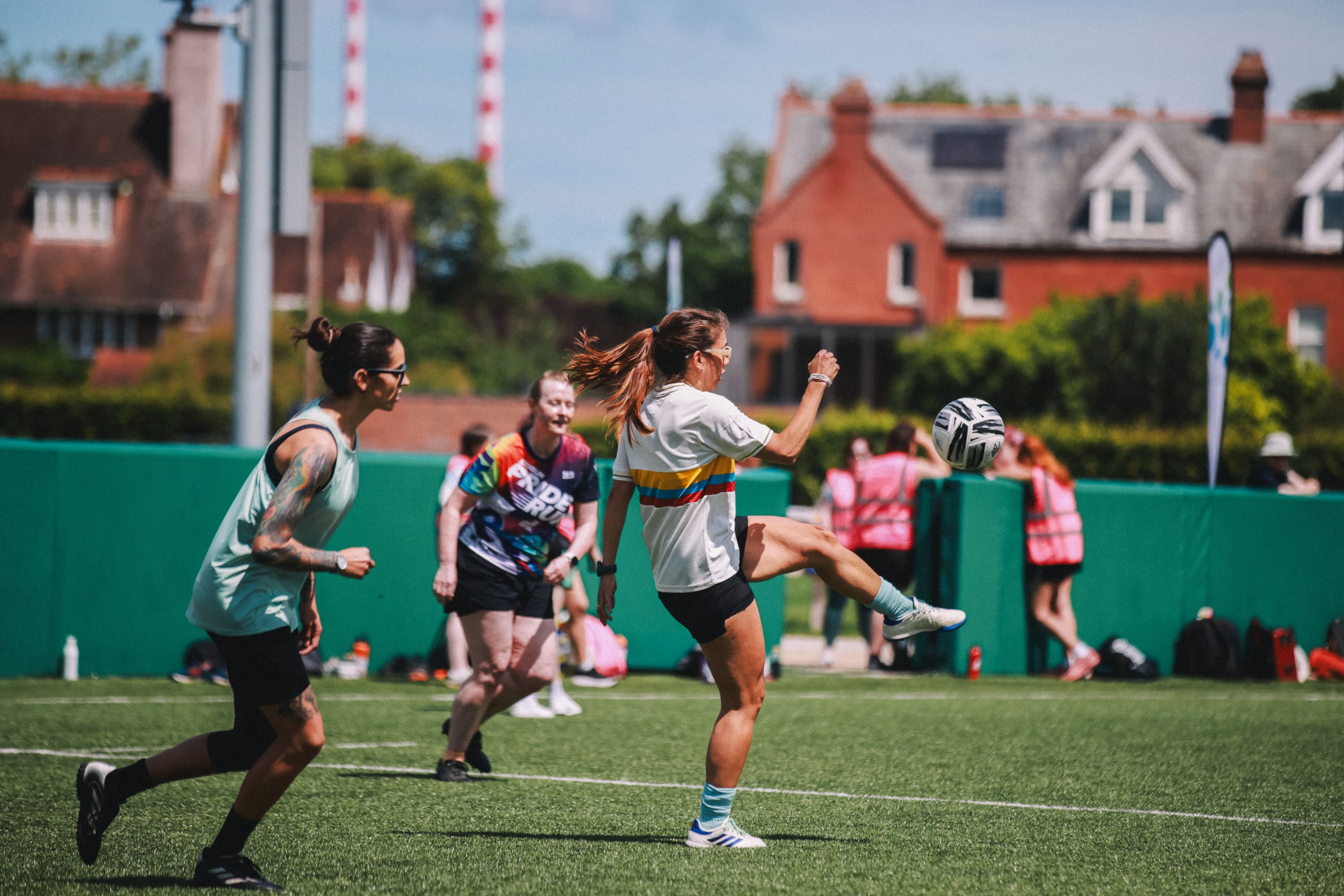
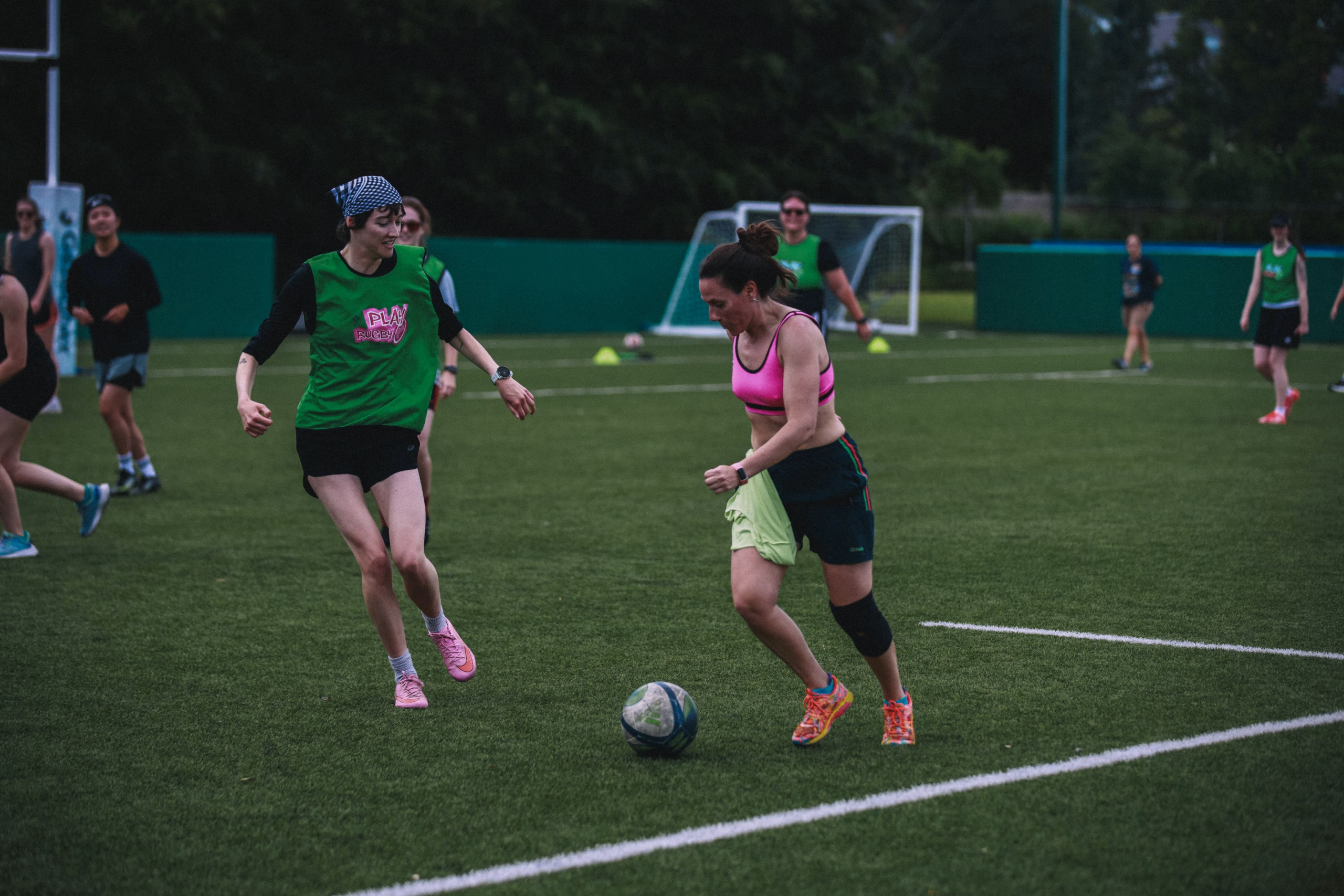
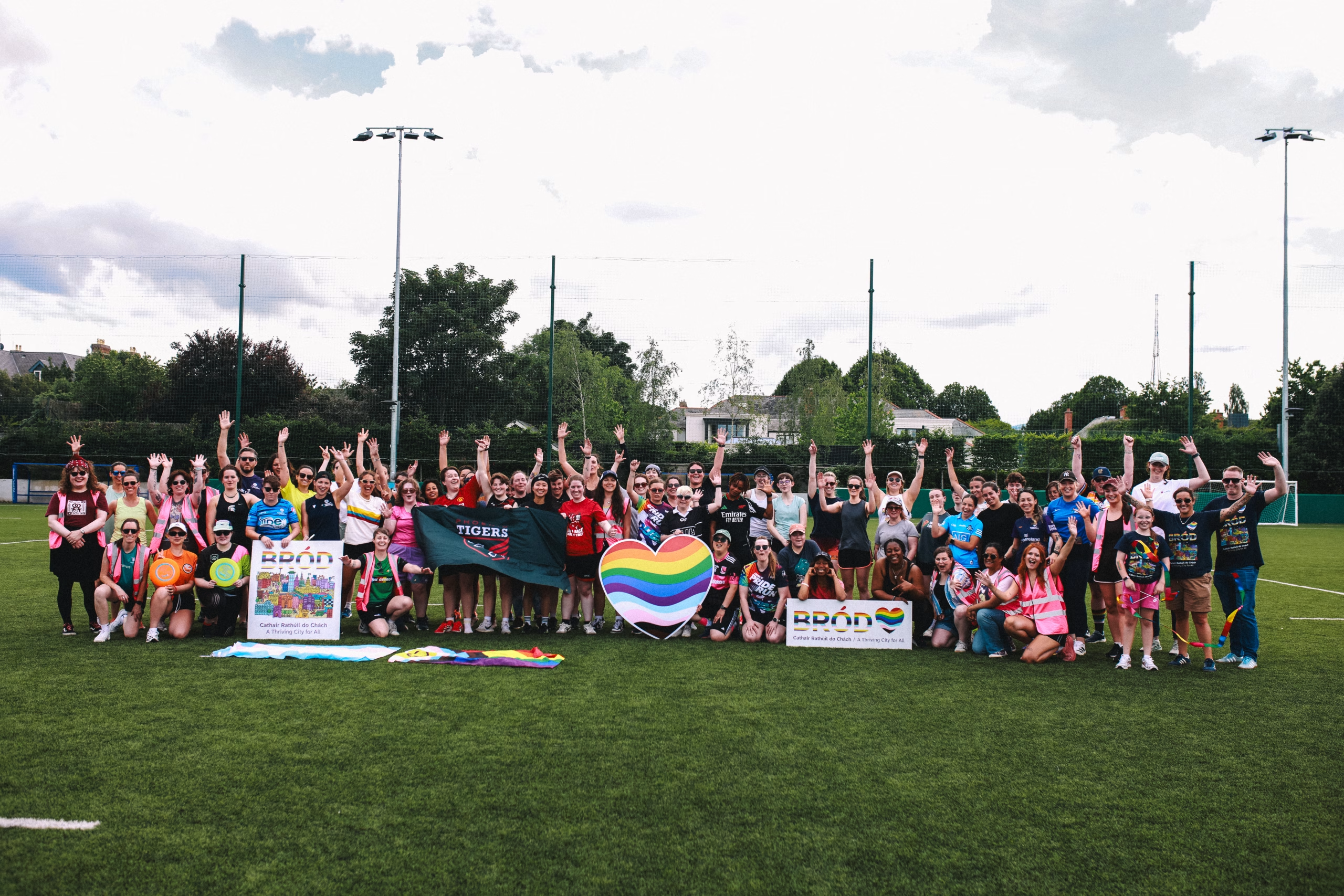
One majorly successful event that is creating spaces for LGBTQ+ women+ across Ireland to connect with sporting communities is the Summer Sports Day for LGBTQ+ Women and Non Binary People, which brought beginners and seasoned athletes together in a fun, supportive, and inclusive environment.
Sports Day Organiser Karina Murray knows the struggles of queer athletes first-hand. She grew up in rural Clare where her dad was “a mad hurling fan”, and she developed a love for sports from an early age.
After years playing camogie and football, like many young women athletes, Karina dropped out of sports as a teenager. Only after coming out in her 20s did she get back into the gym, where she started swimming, cycling, and playing football. Now in her late 30s, she plays socially with the Phoenix Tigers.
Karina remembers when there was virtually no LGBTQ+ visibility in sport, but when she joined a triathlon group, she was delighted to meet club members who identified as lesbians. “When there’s a bit of visibility…it makes people who join the club understand it is an LGBTQ+ inclusive space.”
Karina got the idea for Sports Day when trying to think of ways to make friends outside of the pub scene. After she moved to Dublin, she set up an LGBTQ+ Queer Adventures Meet Up and knew she wanted to create more spaces that facilitate a love for sports. Karina talked with friends from Dublin Lesbian Line and Sporting Pride about her idea of creating a casual sports space for women and non-binary people, and together they decided to pilot an event for Pride month. Every event has been a major success, as participants attest.
The Sports Days begin with easy introductions that get conversations going. Karina said, “Since many people arrive on their own, the beginning of the day always feels a little quiet. Volunteers are there to help everyone feel welcome,” and once the sports begin, everyone connects through conversations and manages to make friends.
Roksana was a first-time Sports Day participant in June 2025. She had previously played on the National Poland under 16s football team, but at the time, “women’s football wasn’t as popular as it is now, so it was hard to make a career in it.”
Roksana didn’t come out in Poland, “because I knew the kind of mentality people had,” in the early 2000s. She added, “I know for a fact that if I did come out, I would have faced a lot of homophobia so I tried to hide who I was, and it was quite painful.” In the changing rooms, Roksana remembers hearing comments among teammates like, “Don’t be gay,” and faking a laugh. “It wasn’t great, but I was protecting myself and figuring out who I am.”
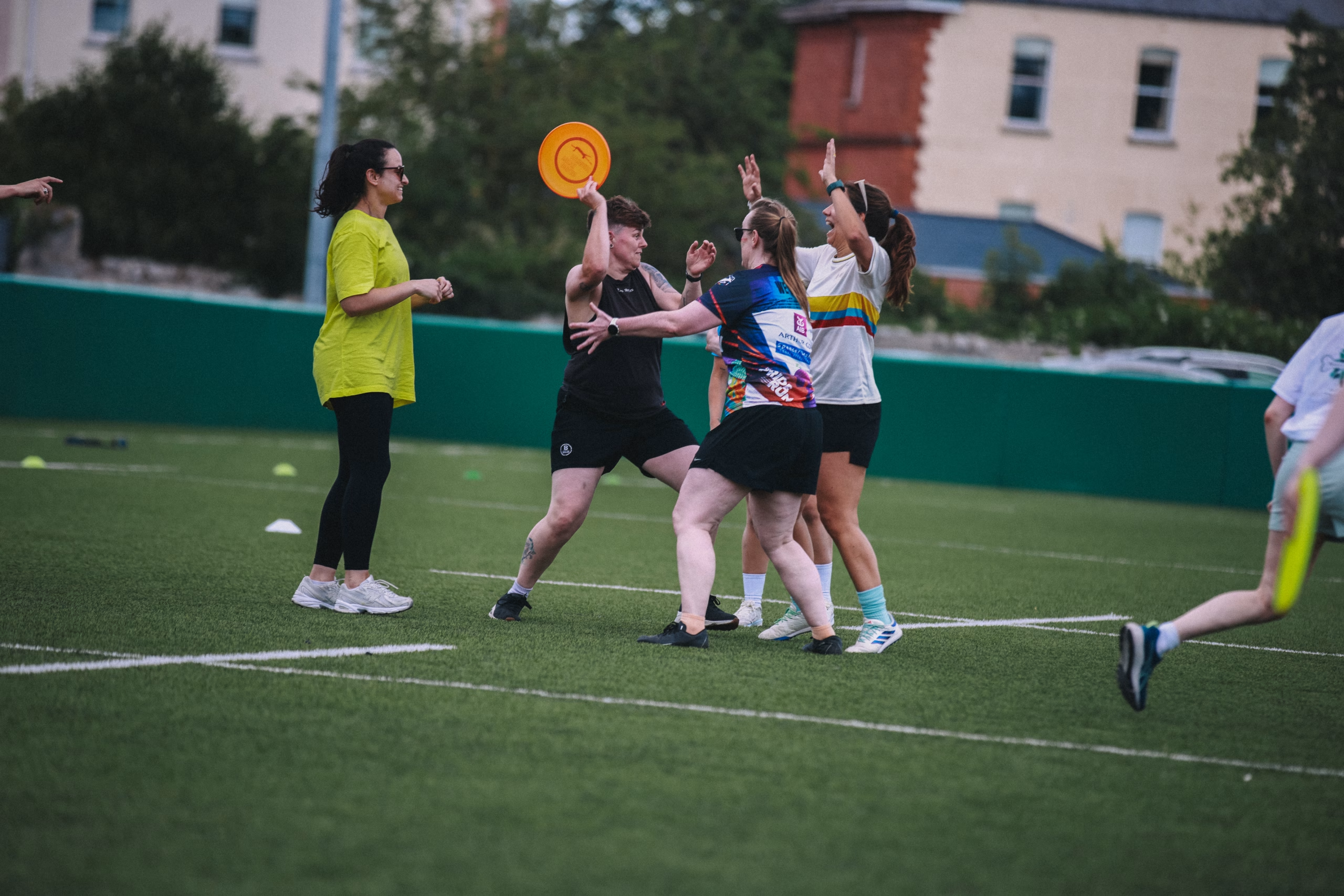
Roksana felt nervous about attending her first LGBTQ+ Sports Day, sharing, “I was worried someone would judge me if I wasn’t good at sports. I’m a real self-critic, but everyone was super nice, lovely, and supportive.” She added, “Everyone is just there to meet new people, play some sports, and have a laugh. It was truly amazing.”
In the end, Roksana loved everything about Sports Day, including, “how inclusive it was, and how nice and welcoming people were.” She tried sports she had never played before and met a lot of people. “Even when it rained a bit, it didn’t bother us.”
Her favourite Sports Day moment was, “when I was trying my best to dance the Zumba. I’m clearly not a dancer and it wasn’t working out, but everyone was still clapping and cheering. Everyone was very supportive and I let go of that fear and I enjoyed dancing away.”
Another participant, Rochelle, has been playing sports for fifteen years. “I have a very personal connection with sports since I founded SportsUnite, a community brand where I would organise badminton, cricket and football socials.” She describes sports as a “passion, discipline and a wonderful social component in my life.”
Rochelle remembers the January 2026 Sports Day as “a great way to create a comfortable space for people of all walks to be able to play and not be judged.” As someone new to Ireland, it was a great way to meet people from the community and combine her enthusiasm for sports, “while also finding others who share the same interest.”
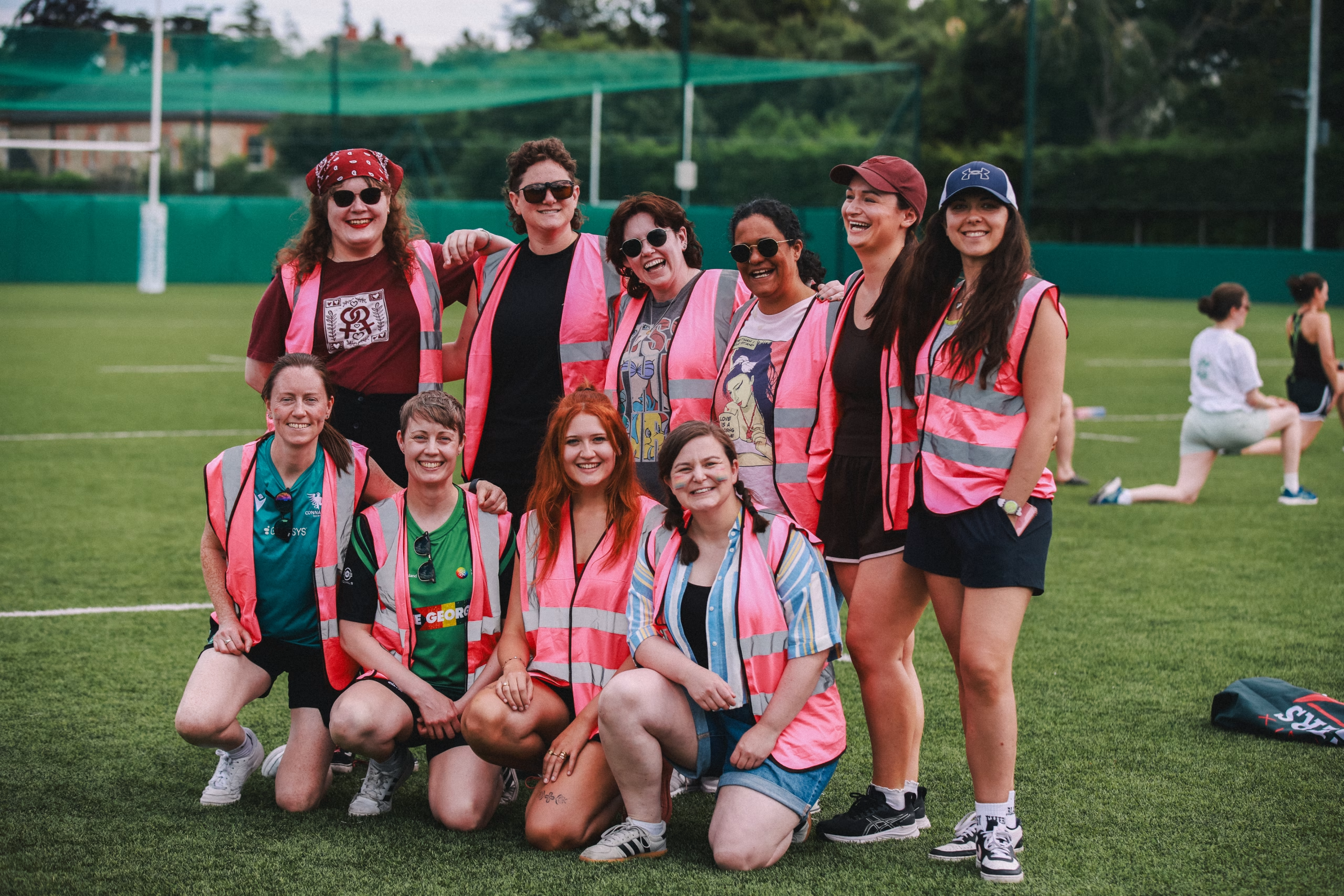
For Karina, her favourite Sports Day memory is always the same, it’s the moment after the sports are finished and everyone gathers for food and chats. She describes a noticeable shift in the vibe from all the participants after an afternoon spent engaging and connecting through sports.
Compared to the first moments of the day when people are feeling nervous and quiet, by the end, “everyone is feeling relaxed, conversations are flowing.” The transformation is powerful, she said, “I’m happy that I’ve been able to facilitate that.”
Events like LGBTQ+ Sports Days offer crucially supportive community spaces, and Rochelle would encourage anyone who is looking for ways to socialise, learn about sports clubs, or for an inclusive community to attend. “The community is welcoming and the vibe is homely.”
As prejudices and injustices against LGBTQ+ people continue, Rochelle is advocating for more frequent events like Sports Day to help form habits and friendships. She hopes that more “workshops to build fitness skills, fitness holidays, initiatives to go for sports events or community workouts together” will enable a sustained growth of queer women in sport.
Karina hopes that all attendees feel good about connecting “in a safe sober space,” and leave “with a new connection to a sports club, person, or sporting community in general.”
© 2026 GCN (Gay Community News). All rights reserved.
Support GCN
GCN is a free, vital resource for Ireland’s LGBTQ+ community since 1988.
GCN is a trading name of National LGBT Federation CLG, a registered charity - Charity Number: 20034580.
GCN relies on the generous support of the community and allies to sustain the crucial work that we do. Producing GCN is costly, and, in an industry which has been hugely impacted by rising costs, we need your support to help sustain and grow this vital resource.
Supporting GCN for as little as €1.99 per month will help us continue our work as Ireland’s free, independent LGBTQ+ media.