This article is part of GCN’s new Amach le Bród (Out with Pride) series, to combat anti-LGBTQ+ misinformation and platform underrepresented voices. The project was funded by the Coimisiún na Meán News Reporting Scheme.
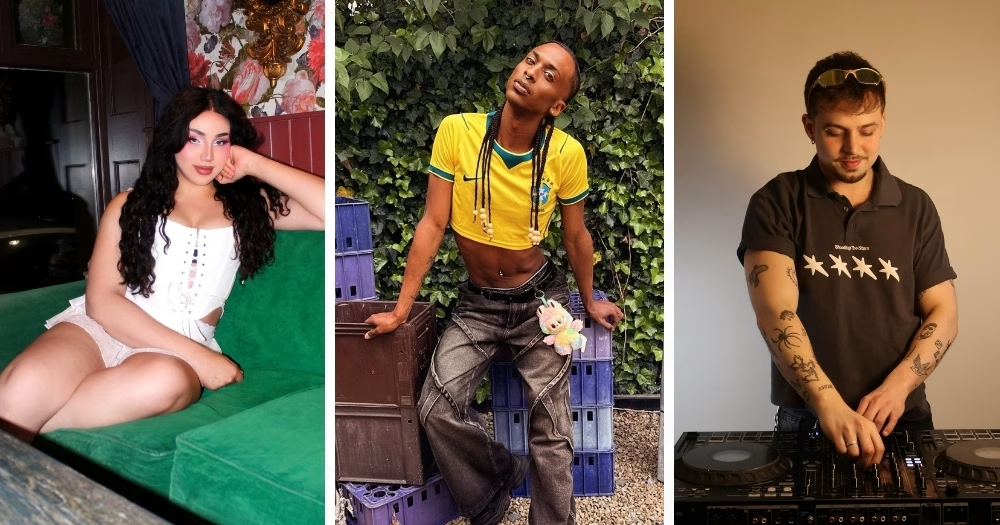
With Ireland boasting a vibrant Brazilian LGBTQ+ community, André Aram spoke to three people about their experiences moving across the world to start a new life.
Living in another country can offer a refuge of acceptance and safety, particularly for queer people from a country where discrimination is still prevelant. Although homophobia and transphobia have been considered a crime in Brazil since 2019, on par with the crime of racism, instances of prejudice and violence against members of the LGBTQ+ community still occur. In 2025 alone, 80 deaths of transgender people were recorded, according to data from ANTRA – Associação Nacional de Travestis e Transexuais.
In search of acceptance and better career prospects, many young people emigrate to countries such as Ireland to start a new life far from persecution and danger. In 2015, Ireland became the first country in the world to legalise same-sex marriage by a referendum; in the same year, the country introduced legal recognition of gender based on self-determination, without the need for medical requirements. These advances have helped to build an image of a more inclusive nation, with events such as Dublin Pride attracting visitors from all over the world, as well as a vibrant and welcoming LGBTQ+ nightlife.
Thus, many people come to the country in hopes of feeling free to live openly. However, alongside the search for a more authentic life, Brazilians must also navigate cultural and even climatic differences.
Lucas Marques, a 32-year-old Brazilian, left the Acari favela in Rio de Janeiro for Dublin nine years ago. He took an unusual path compared to most young people who move to another country: he arrived without speaking English and without knowing anyone, having to start from scratch.
“When you’re brought up in a favela, you live in survival mode, so I think you can adapt to anywhere, and I settled in here very easily,” he says, explaining the courage it took to leave everything behind.
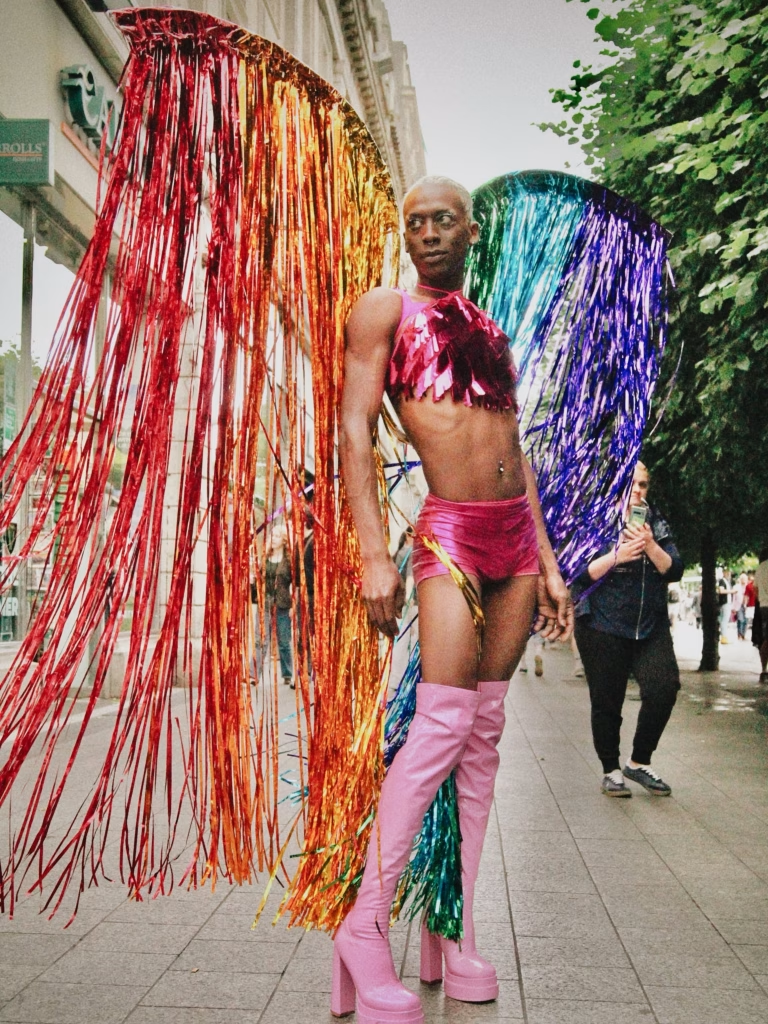
Indeed, life for this young Black man was not easy; he recalls the past: “My life there was practically just working to help my mum at home; I had no prospect of going to university or of getting ahead in life. I just really wanted to put food on the table and try to help my mum,” he says, his mother having raised six children on her own.
As well as having to cope with the violence common in Brazilian favelas, he also had to hide his sexual orientation, although this did not prevent him from suffering homophobia throughout his childhood and adolescence. He recalls: “I suffered discrimination from a young age because I knew I was gay from the age of seven, and I’ve always been effeminate, so it’s been like that since I was a child.”
However, once on Irish soil, Lucas soon realised he would no longer need to live in the closet when he noticed society’s openness towards the LGBTQ+ community. This, in fact, made his adjustment much easier.
“I came out here when I realised I wouldn’t face as much discrimination as I did in Brazil. I’m not saying there isn’t any here—there is—but far less compared to Brazil,” he says.
Lucas has no plans to leave Dublin and emphasises that he has achieved several things that would have been almost impossible in Brazil due to his difficult circumstances: “Here, I’ve managed to study, I have financial stability, I travel to other countries, and I’m able to help my family in Brazil,” says Lucas, who studied marketing but works as a waiter by choice.
26-year-old Brazilian Gabriel Zwing has been living in Limerick since 2022, around 200km from the capital. Ireland was not his first choice, but after being mugged and then subjected to a homophobic attack in France, an incident that required hospital treatment, he decided to start afresh in another country where he would be safer.
“It’s been a very welcoming place here, but I think it’s important to recognise that I’m speaking from a position of privilege; I’m a gay, white man, and, in a way, I fit within the norms that society tends to accept more readily,” he explains.
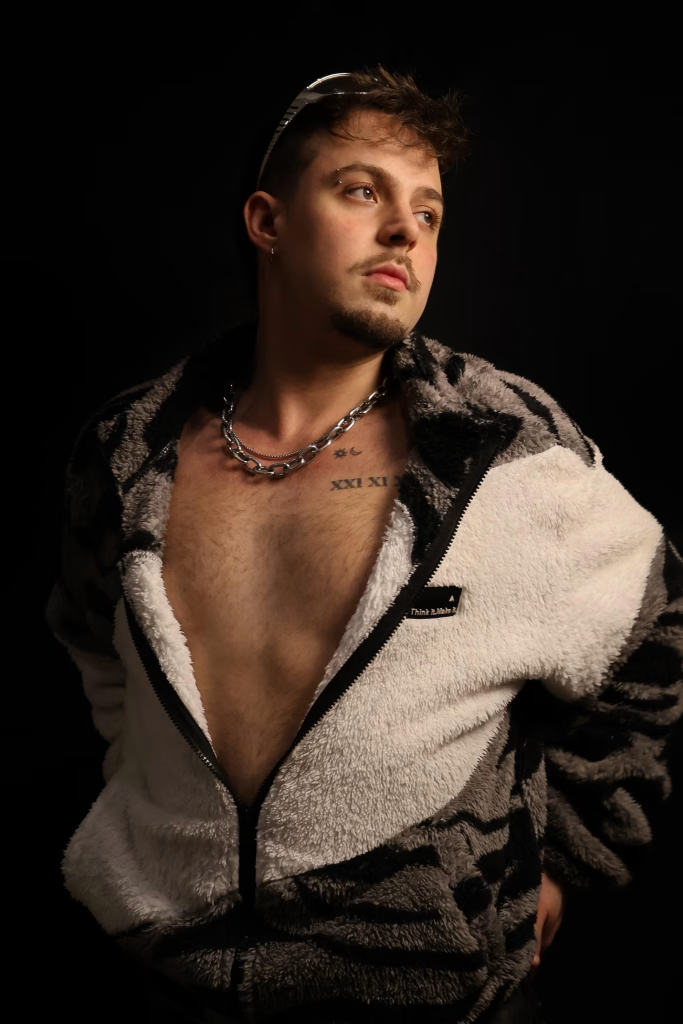
Like Lucas, Gabriel feels comfortable living openly as a gay man and is proud to have never experienced any discrimination: “I’ve never faced any disrespect for being gay; I’m not afraid to walk hand in hand, show affection, or simply live my life as any other couple should be able to, unlike in Brazil.”
He also praises the Irish people: “I feel that, generally speaking, they are very welcoming and friendly towards Brazilians.”
He found it easy to forge connections with the city and soon felt at home there. He recalls that, in less than two months, he had already found a job, rented a flat, and made new friends, despite a difficult start with no command of English, no money, and not even a support network.
After around four years working as a supervisor in various cafés and hospitality venues, he is proud to be working as a DJ today: “I managed to turn a very difficult situation into an opportunity to build a completely new life here.”
For many LGBTQ+ immigrants, Ireland offers the opportunity to live their identity to the full. However, there is the challenge of starting from scratch, as well as coping with loneliness and being far from family. Adapting requires resilience and, at the same time, a process of self-discovery, which is highly personal and can take a long time.
Nicky Angel, a 20-year-old transgender woman from Brazil, has been living in Athlone for just over a year. Although the town is 125km from the capital and has a population of just over 20,000, she says the locals have always been accepting of the fact that she is a transgender woman.
“Brazil is one of the countries that consumes the most trans pornography and kills the most trans people. I used to be very afraid to walk down the street because I’m trans; I always had to take extreme precautions before leaving the house, and I was constantly hearing about brutal murders involving LGBT people,” laments Nicky.
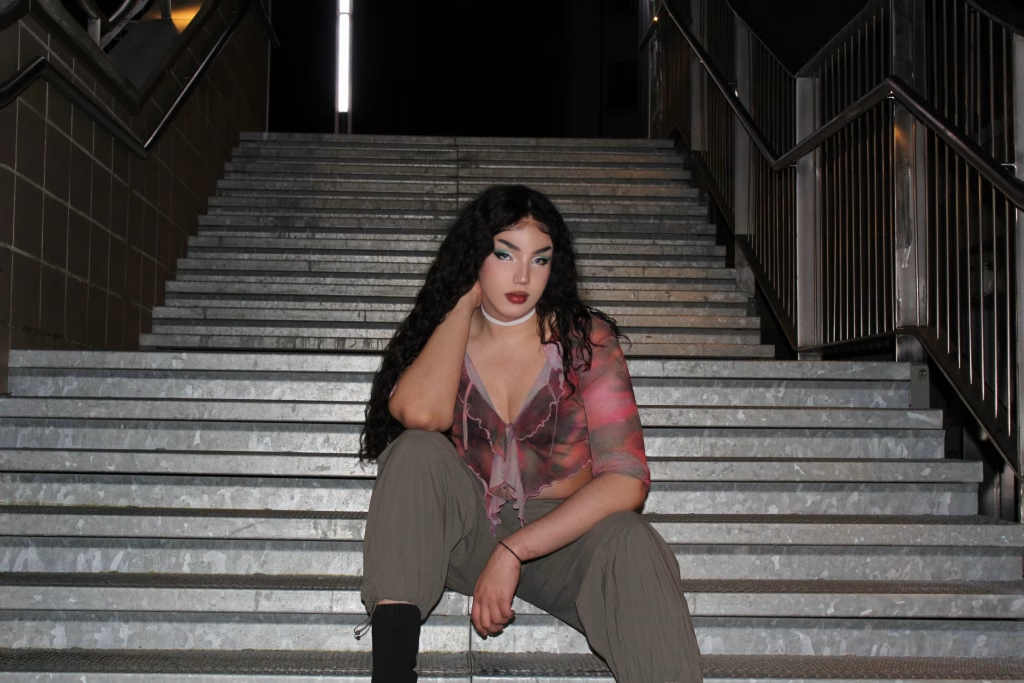
“The lads [in Ireland] respect me; in Europe, it’s normal for men to openly date a trans woman—in my experience, we’re just as sought-after as any other woman.”
She adds, “Historically, people from abroad are already more accustomed to diversity and to trans women, so they see me and treat me naturally as the woman I am,” says the singer, who works part-time as a cleaner to supplement her income.
The three Brazilian immigrants cited the language as the main challenge as soon as they arrived in Ireland; most did not speak English or knew only the basics. When asked about the downside of living in Ireland, Gabriel pauses before replying: “The weather and being far from family. Winter can be very tough; the months are very grey and rainy, with little daylight and days when it gets dark very early.
“For those who come alone, this can be a challenge, especially as you’re already dealing with homesickness, settling in, and all your own issues at the same time,” says the Brazilian.
Like him, Nicky also mentions the weather as an obstacle, particularly at the height of winter. “The weather here is quite challenging, it rains so much from time to time, it’s windy, and in winter the sun sets very early; it makes you feel a bit down,” she says. Another issue she highlights is the difficulty in accessing hormone therapy as a trans person, something that can indeed be more difficult in smaller towns.
Rebuilding your life in another country means finding the strength to turn distance into a drive for professional and personal growth. The three interviewees do not know one another, but they all highlighted quality of life, purchasing power, and social acceptance as positive aspects.
“Despite all the challenges of living abroad, I’ve had different opportunities and managed to build a life that might have taken much longer to achieve in Brazil,” says Gabriel, who, before working in music, also held jobs as a security guard, cleaner, and even an actor.
Other aspects they highlighted relate to safety and high-quality public transport: “Here, everything is much more punctual, organised and quite different from the noisy hustle and bustle and chaotic traffic we face in Brazil’s major cities,” recalls Nicky, who hopes one day to be able to make a living solely from her music career.
The Brazilian LGBTQ+ community in Ireland is quite influential, particularly in Dublin, where a variety of queer venues are located. However, the situation may be somewhat different in smaller towns.
For Lucas, there are niches: “The Brazilian LGBTQ+ community is large, but as everywhere else, there are silos. However, here we have Pantibar, which is an LGBT nightclub, and whenever we’re there it turns into a party, with everyone together.”
Meanwhile, in Limerick, a more cohesive community is still lacking, as Gabriel points out: “The Brazilian LGBTQ+ community is very small; there isn’t a pub or venue specifically aimed at our community, unlike in Dublin, Cork, and other cities, where there are openly LGBTQ+ venues,” he laments.
According to data from the Brazilian Ministry of Foreign Affairs (Itamaraty), it is estimated that around 80,000 Brazilians live in Ireland. Unfortunately, there are no official figures regarding the specific number of LGBTQ+ Brazilian residents on Irish soil.
For Nicky, the Brazilian LGBTQ+ community is close-knit: “They’re very welcoming, especially in the Irish capital, where there are lots of LGBTQ+ and Latin-themed parties; here, being LGBTQ+ isn’t anything new.”
Although the three are happy in Ireland, the country wasn’t the first choice for all of them. Lucas explains that he had considered the United States but changed his mind on the advice of a friend: “Ireland chose me because I wanted to go to New York first, then California, and then she told me this was the place to be, and when I arrived here I fell head over heels in love with Dublin, with this wonderful country. Every day there’s something new to discover.”
For Gabriel, Ireland was also his second choice. Although he doesn’t rule out the possibility of living in another country in the future, he seems to have found his haven: “Speaking from my own experience, I feel safe and free to be whoever I want to be, and that’s something I value greatly as a gay man living in Limerick,” he concluded.
Despite the language and cultural barriers, LGBTQ+ Brazilian folks have found opportunities in Ireland that go beyond individual freedom to include professional growth as well. The increasingly active presence of immigrants in the country contributes to greater diversity, whilst also helping to enrich the country’s culture by welcoming foreigners from all over the world.
© 2026 GCN (Gay Community News). All rights reserved.
Support GCN
GCN is a free, vital resource for Ireland’s LGBTQ+ community since 1988.
GCN is a trading name of National LGBT Federation CLG, a registered charity - Charity Number: 20034580.
GCN relies on the generous support of the community and allies to sustain the crucial work that we do. Producing GCN is costly, and, in an industry which has been hugely impacted by rising costs, we need your support to help sustain and grow this vital resource.
Supporting GCN for as little as €1.99 per month will help us continue our work as Ireland’s free, independent LGBTQ+ media.