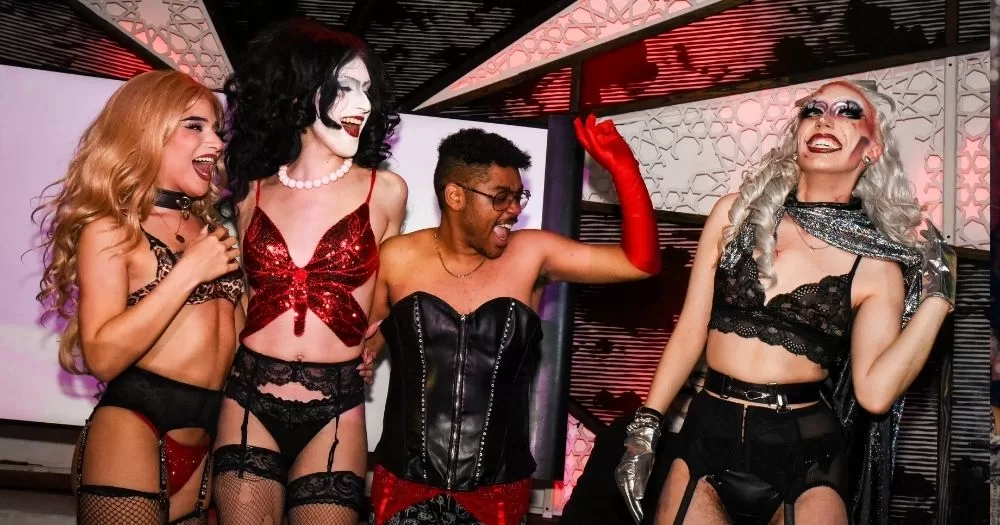
This autumn, during a trip to New York City, Sarah Creighton Keogh caught up with Dykes and Dolls, a non-profit collective for lesbian, trans and queer people in Brooklyn, in Issue 391 of GCN.
On a chilly evening in Bushwick, inside the retro-fantasy world of The Turk’s Inn, the Dykes and Dolls team gathered under warm lighting, surrounded by the plush drama of a velour crescent-shaped sofa.
The cast for that night’s show buzzed with excitement. Makeup brushes flashed, sequins shifted, and the nervous-electric glow of a second-night run radiated through the room. In pride of place on the wall hung a framed portrait of a Persian cat in glittering gold, an accidental mascot for the evening’s theatrical camp.
It was here, between run-throughs, costume adjustments, and discussions about Frankenfurter’s entrance, that I sat down with four core members behind Dykes and Dolls, a queer collective and rapidly growing print zine rooted in New York. What began as a personal spreadsheet created by Mary Michael Quinn (he/they/she) to find lesbian and trans events (and, as he laughs, “a selfish way to try and find love”) has since evolved into one of the most energetic and inclusive community projects on the NY queer scene.
Dykes and Dolls started as an act of self-preservation. When Mary Michael quit drinking, he found himself searching for sober, queer-centred events. Dating apps weren’t cutting it, and existing community calendars were sparse. His solution? A simple Google spreadsheet.
Anna Campbell (she/her), now the collective’s operations manager, immediately saw greater potential. Remembering the moment the idea first clicked, “Something physical. Something you can pick up. Something that makes community tangible,” she tells me.
Anna’s partner, children’s book illustrator Abbey Bryant (they/them), joined as art director. Together with editor Lota Erinne (they/she), the four began sharing Pinterest boards, refining layouts, debating fonts and colours, and shaping what quickly became the first issue of Dykes and Dolls.
What started as a private list became an ever-evolving calendar, still public, still updated, still used by many. The print zine, released twice a month, brings the calendar together with poetry, illustrations, community features, and historical deep dives into queer venues. Some issues map out distribution points; others highlight civic information like elections, rent freezes, and community resources.
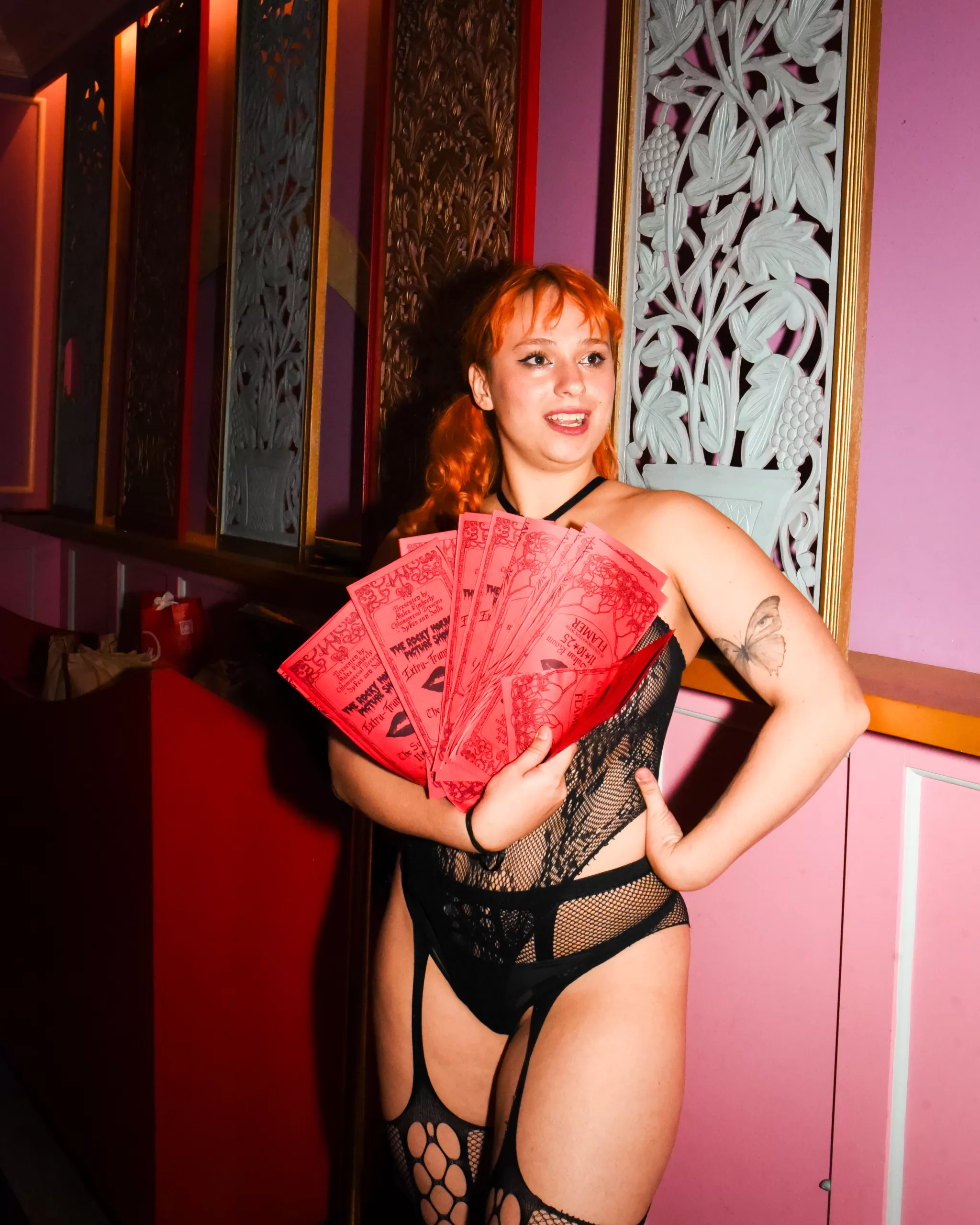
“It’s meant to be found in the wild,” Mary Michael says. “In queer cafés, bookshops, community centres, but also in neighbourhoods where the queer community might not be as visible.”
From the start, the team has insisted that Dykes and Dolls remain free. Not free-ish, not “free with suggested donation,” not locked behind Patreon posts but completely free.
The collective currently prints 200–250 copies per issue, distributed by a network of volunteers who drop them across boroughs and neighbourhoods. They refuse to impose a paywall or rely solely on social media, recognising the ways algorithms often suppress queer content. As Lota explains later in our conversation,
“The print zine will always be free, and we’ll always print it. If the government gets crazy, Instagram can disappear tomorrow, but a physical zine can’t be censored in the same way. We can post it out, hand it out, and keep the community connected.”
It’s a sentiment shaped by political awareness and queer history. Physical media has long been a lifeline in times of censorship, something the team consciously honours. Initially, events were purely practical: they helped fund printing costs. But like everything in Dykes and Dolls, what began as a necessity evolved into something more meaningful.
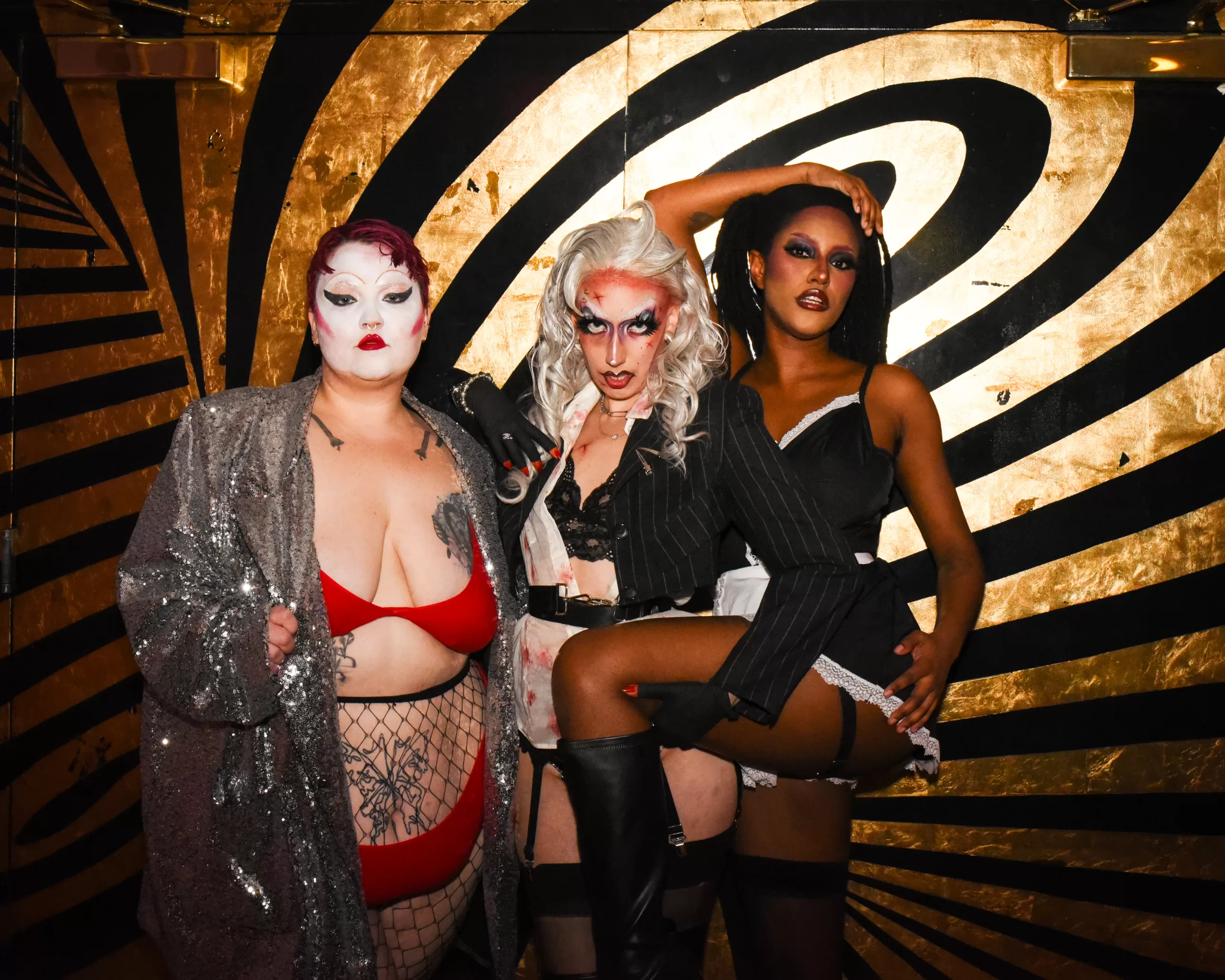
Their events now range from poetry nights and art markets to language meet-ups, sports sessions, magic shows and, of course, their wildly successful Rocky Horror production. The collective takes pride in promoting gatherings where the passion and care of the organisers shine through.
Inclusivity, especially between lesbian and trans communities, is central to their mission. The name Dykes and Dolls is both playful and political, a nod to bridging communities that are often separated by social dynamics or by how queer space is marketed.
From May to August, the project’s visibility skyrocketed. Their Instagram following jumped from around 3,000 to more than 20,000, an enormous leap driven by word- of-mouth, Pride events, and a hunger for reliable queer calendars.
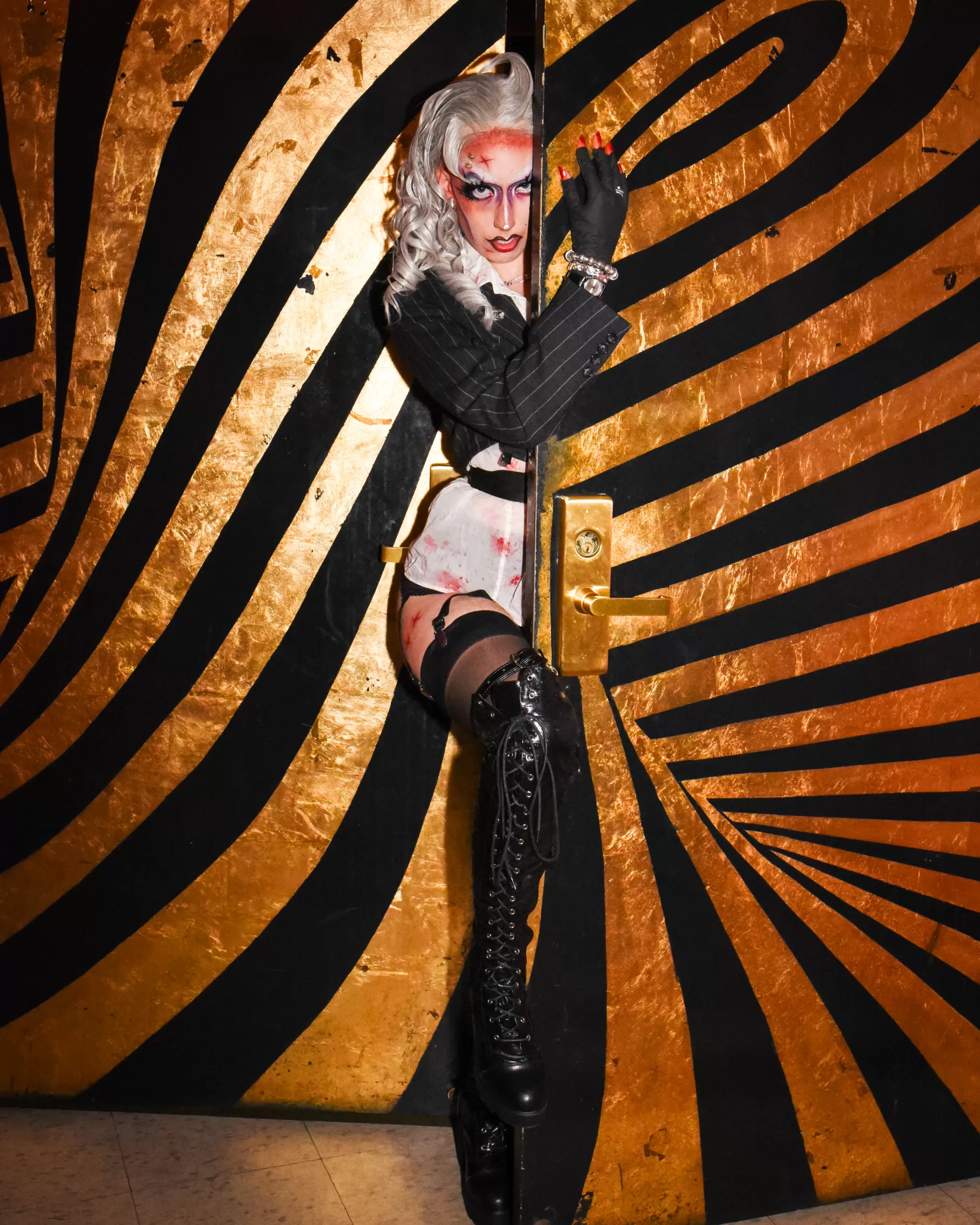
“Events doubled during Pride,” Mary Michael recalls. “People were looking for everything, sports, sober meet-ups, drag shows, picnics and we were able to bring it all together in one place.”
Their aesthetic, influenced by 1990s DIY zine culture, contributed to the appeal. But more importantly, they reached people who don’t want, or don’t have, the constant connectivity that digital queer culture often assumes.
“You’d be surprised how many people don’t use smartphones,” Abbey says. “Or who just prefer something physical. Something they can stick on their fridge, circle dates on, share with friends.”
When a collaborator named Malea approached the team with an idea for a Rocky Horror (Extra Transexual) performance, she imagined a small, DIY production. But event director Jer saw the potential for something larger, a true Dykes and Dolls extravaganza. It sold out almost instantly.
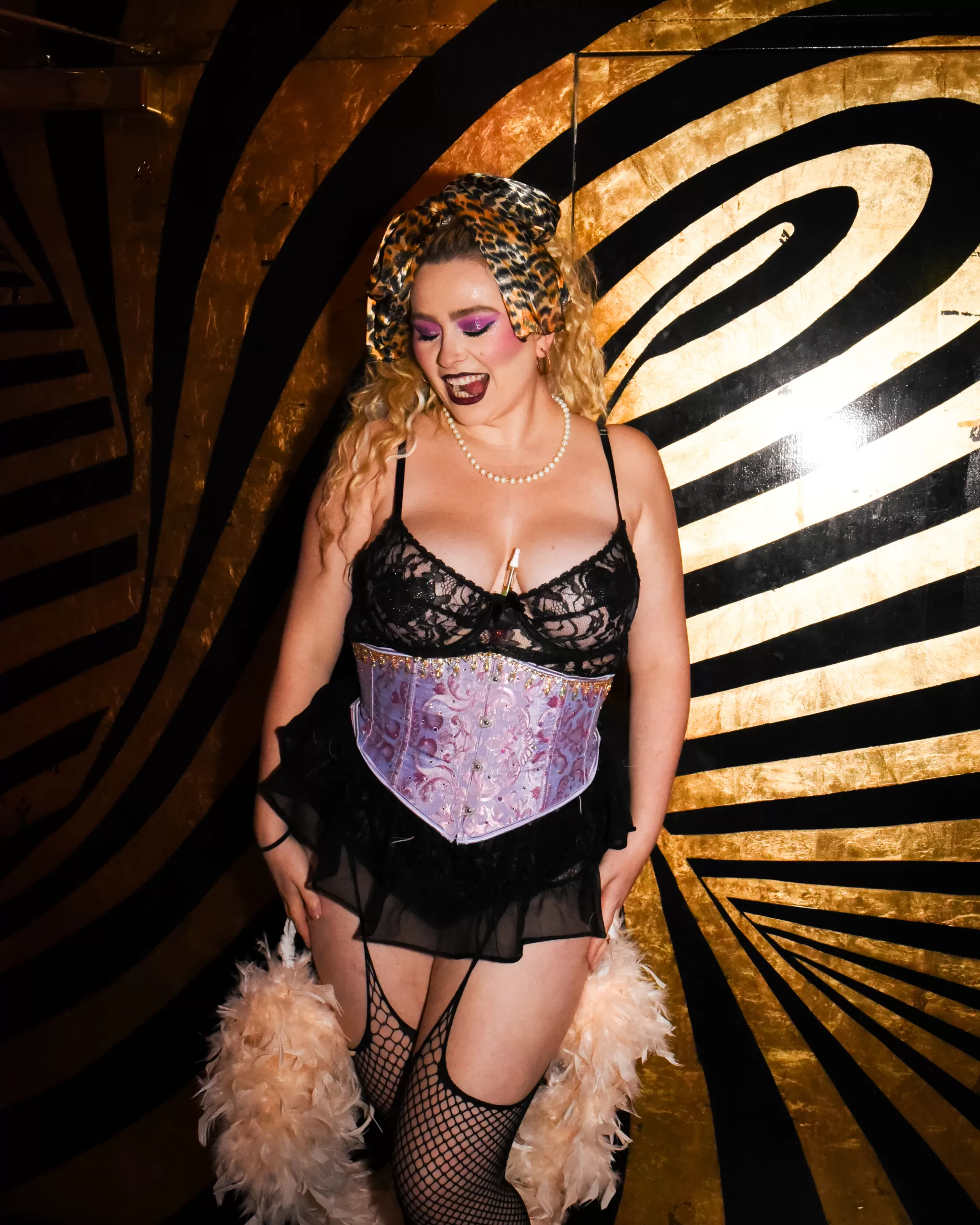
This intimate experiment snowballed into a fully sponsored, high-energy show complete with costumes, handmade props, and a cast brimming with queer theatrical flair. The community response was ecstatic.
“It’s DIY in the best possible way,” Abbey says. “Camp, creative, chaotic – but with so much heart.”
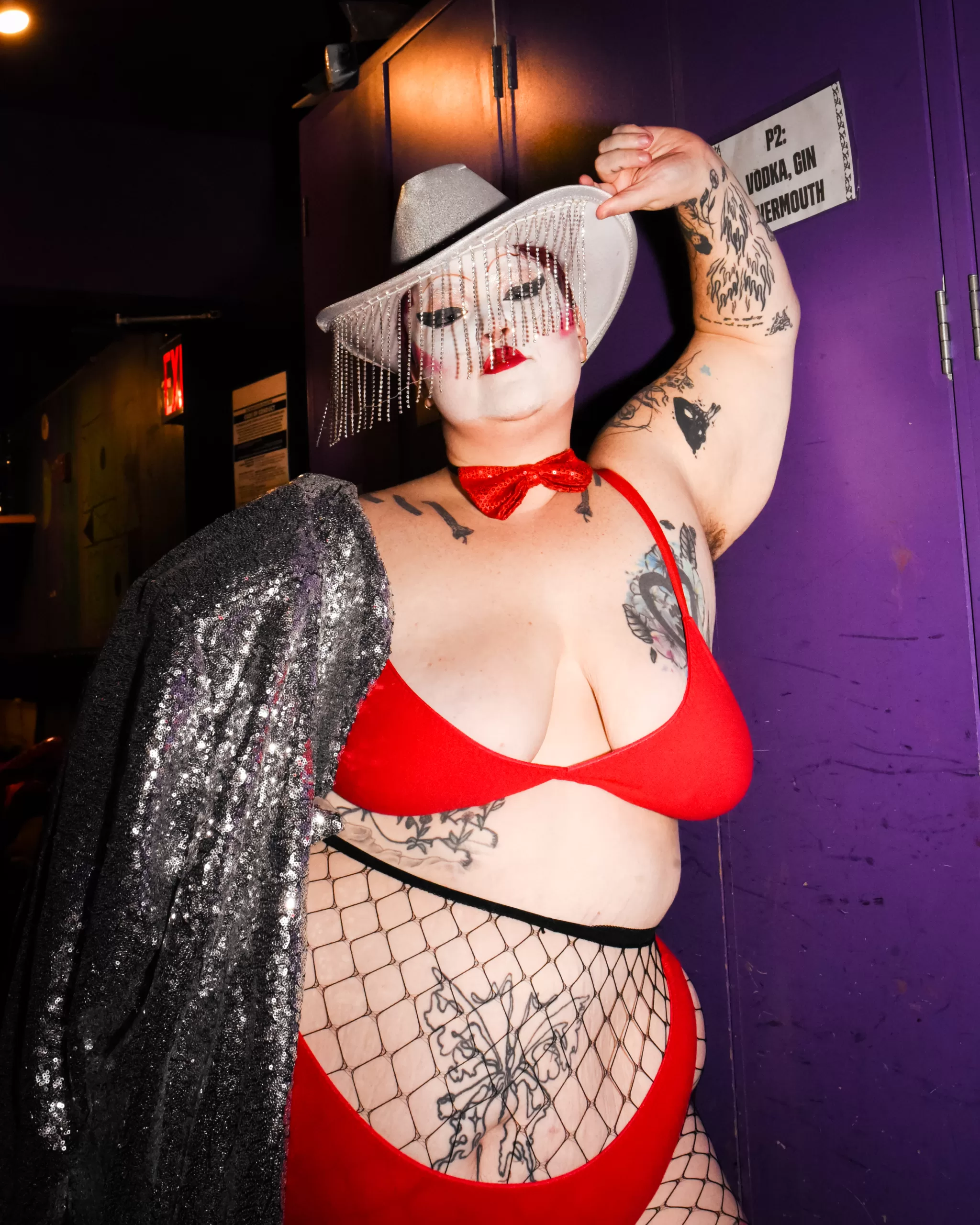
As we spoke, performers bustled around us, someone adjusting a corset, someone practising a riff, someone debating lipstick shades. The atmosphere was infectious.
Despite fast growth, the collective remains grounded. What began with four people has expanded to around 15, with volunteers helping in distribution, event planning, and logistics.
Their goals for the coming year include expanding distribution, continuing organising diverse events, maintaining the free print model, strengthening volunteer coordination, documenting community feedback and preserving archival copies, both for sale and for historical record-keeping. But above all, they want the print zine to remain the nucleus of their work.
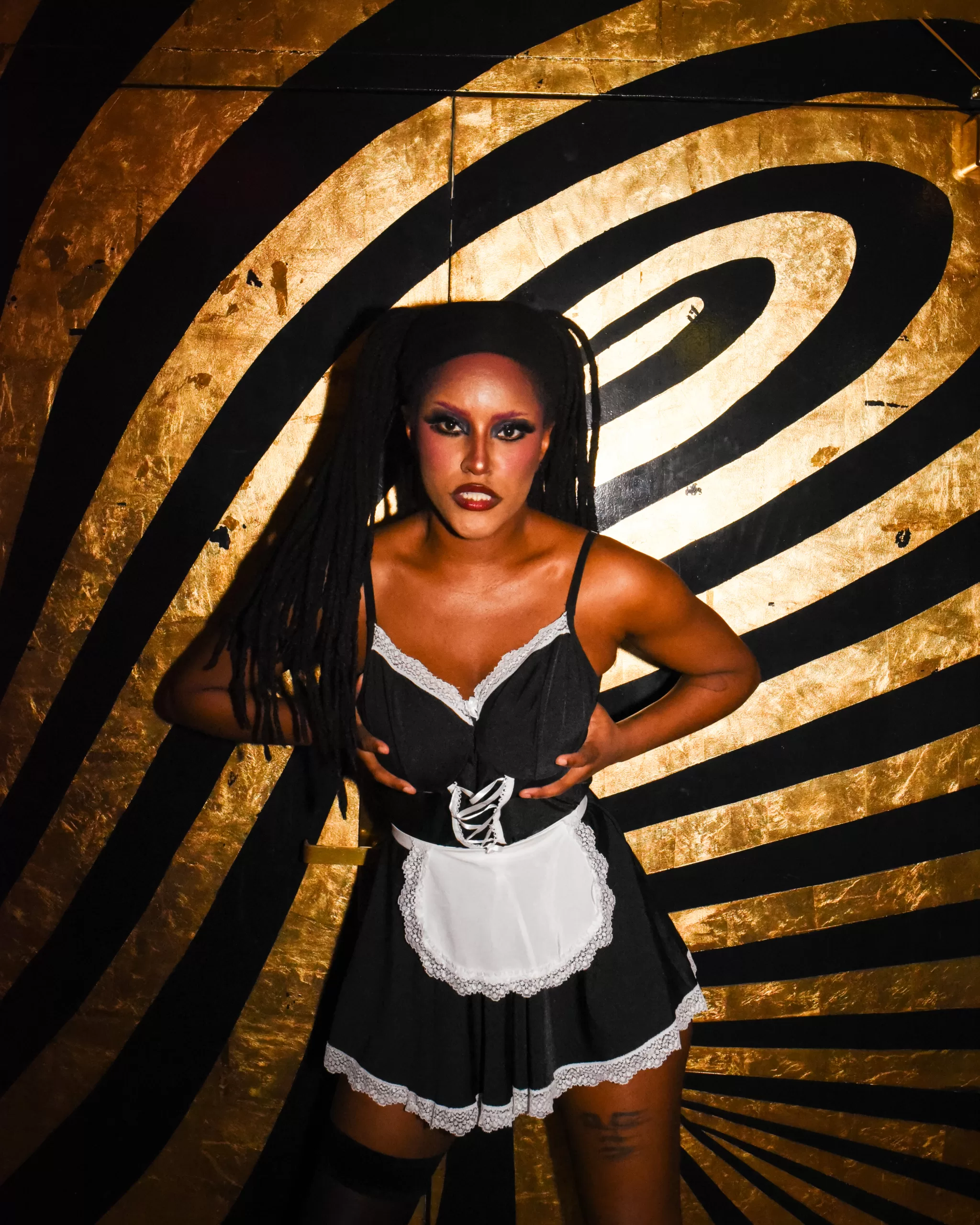
“I always put my foot down,” Lota tells me with a laugh, “the print zine is number one. Today, the Supreme Court ruled that gay marriage is still legal – thank God – but things are dicey. It feels like a question mark every day. If things get difficult, we can always rely on the print version. It’s our anchor.”
As our conversation drew to a close and the Rocky Horror cast readied themselves for curtain call, the room brimmed with joyful nerves. There was a palpable sense of belonging, one that Dykes and Dolls had built issue by issue, event by event, volunteer by volunteer. Not
with corporate budgets. Not with glossy branding. But with intention, accessibility, and community spirit. The gold-framed Persian cat stared down over all of us as if in approval.
Dykes and Dolls is more than a zine, more than an events collective, more than an Instagram success story. It is a testament to what queer people make for one another when we refuse to leave each other behind, when we insist on building spaces where lesbians, trans people, and the wider queer family can meet, thrive, and find joy offline as much as online.
On nights like this, that commitment feels deeply alive. And as long as the team keeps printing, organising, and showing up with the same DIY passion, Dykes and Dolls will continue to be both a sanctuary and a spark, an embodiment of queer resilience in a world that still feels, as Lota put it, “a bit of a question mark.”
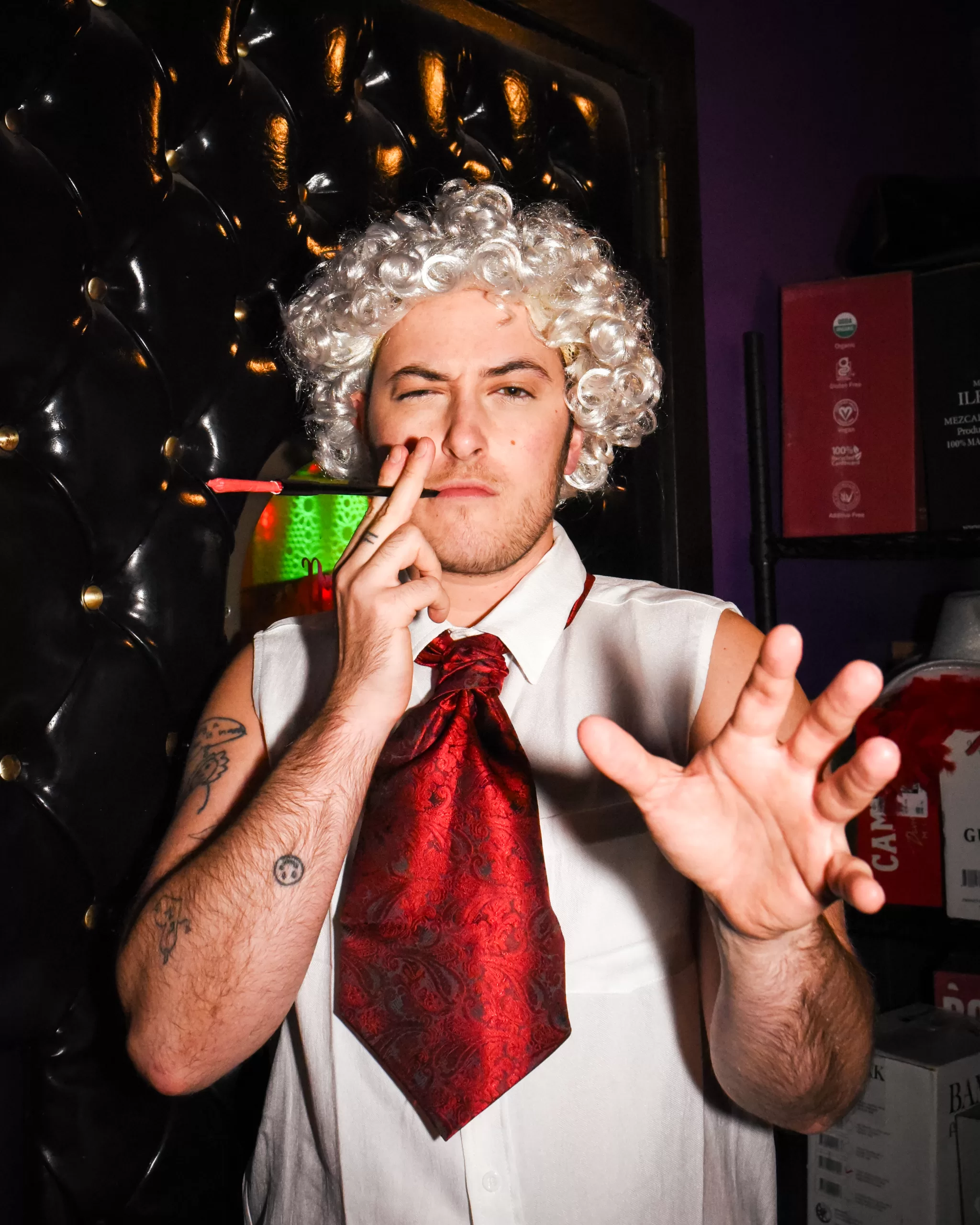
After our chat, I attended Rocky Horror Show (Extra Transexual), an immersive experience complete with all the essential callouts, not to mention an out-of-this-world sexy cast. The audience came prepared with pure chaotic enthusiasm. The energy was electric, each callout landing perfectly, each dance number met with cheers, each character infused with fresh queer power.
The Dykes and Dolls team didn’t just stage Rocky Horror they reimagined it through a trans, lesbian, and gender- expansive lens, reclaiming its camp, sex, and rebellion with modern queer joy. It felt like a community ritual, a love letter to a chosen family, and a reminder of what queer theatre can be when created with intention and heart.
GCN’s wonderful Christmas Raffle is back! To be in with a chance of winning some fantastic prizes while also supporting GCN, buy a raffle ticket from as little as €5 at this link.
© 2025 GCN (Gay Community News). All rights reserved.
Support GCN
GCN is a free, vital resource for Ireland’s LGBTQ+ community since 1988.
GCN is a trading name of National LGBT Federation CLG, a registered charity - Charity Number: 20034580.
GCN relies on the generous support of the community and allies to sustain the crucial work that we do. Producing GCN is costly, and, in an industry which has been hugely impacted by rising costs, we need your support to help sustain and grow this vital resource.
Supporting GCN for as little as €1.99 per month will help us continue our work as Ireland’s free, independent LGBTQ+ media.