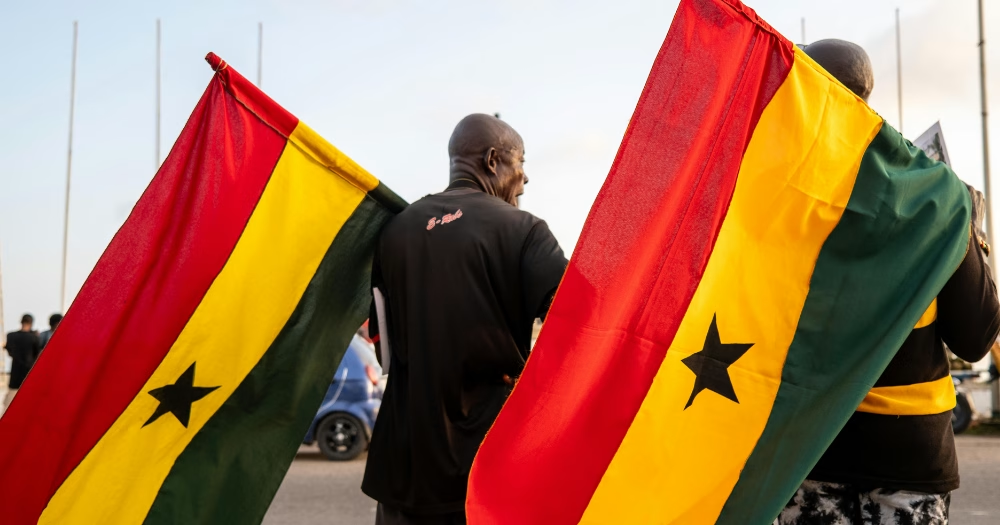
Ghana’s parliament has approved a bill that would criminalise identifying as LGBTQ+ and impose prison sentences on those who support the community. Titled the Human Sexual Rights and Family Values Bill, the bill marks a significant escalation in the already restrictive stance on LGBTQ+ rights in Ghana.
Under the bill, individuals who identify as lesbian, gay, bisexual, transgender or queer could face up to three years in prison. It also introduces a “duty to report”, requiring citizens to inform authorities of any suspected prohibited acts.
The bill still requires presidential approval before becoming law. President John Dramani Mahama has previously indicated his support, stating during a meeting with the Christian Council of Ghana that he is “completely aligned” with their position. He added that if parliament debates and passes the bill, he will sign it into law.
Religious leaders have reportedly played a significant role in pushing for stricter anti-LGBTQ+ legislation, particularly since Mahama’s return to office. Supporters of the bill argue that it is necessary to protect Ghanaian cultural and family values. Speaking in parliament, sponsor Reverend John Ntim Fordjour said the law would make existing measures “more robust, more encompassing and more stringent in dealing with the practices of LGBTQI”.
The bill has drawn strong international criticism. Human rights organisations warn it could endanger lives and legitimise discrimination. Human Rights Watch stated that it would “encourage citizens to surveil and denounce one another”, raising serious concerns about civil liberties.
The legislation also targets allies, meaning those who publicly support LGBTQ+ individuals could face legal consequences. Limited exemptions are included for legal, media, and healthcare professionals providing services or reporting on related issues.
Activists within Ghana have expressed fear, as reported by The Guardian. Leila Lariba, Director of One Love Sisters Ghana, said: “People are panicking and scared. The new bill affects where you are staying; it can get you evicted; it can lead you to lose your job.” She added: “No matter how safe you think you are, you do not know who’s ready to talk.”
Lariba also urged caution, advising individuals to review their online presence: “People need to be cautious about what they post because they don’t know how this law could be used against them.”
© 2026 GCN (Gay Community News). All rights reserved.
Support GCN
GCN is a free, vital resource for Ireland’s LGBTQ+ community since 1988.
GCN is a trading name of National LGBT Federation CLG, a registered charity - Charity Number: 20034580.
GCN relies on the generous support of the community and allies to sustain the crucial work that we do. Producing GCN is costly, and, in an industry which has been hugely impacted by rising costs, we need your support to help sustain and grow this vital resource.
Supporting GCN for as little as €1.99 per month will help us continue our work as Ireland’s free, independent LGBTQ+ media.